


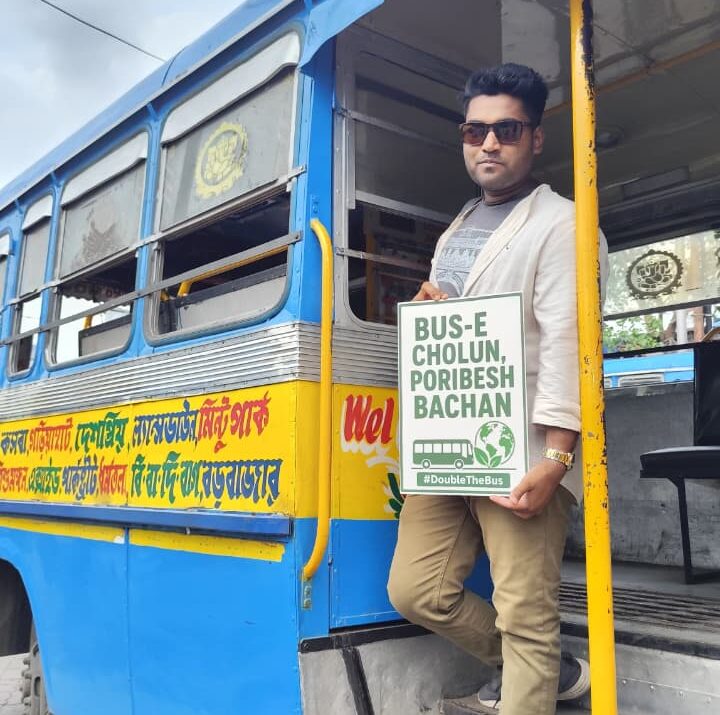
কলকাতা, ৫ জুন: বিশ্ব পরিবেশ দিবস উপলক্ষে পশ্চিমবঙ্গের বিভিন্ন প্রান্তের নাগরিক, পরিবহণ বিশেষজ্ঞ এবং নাগরিক সমাজের প্রতিনিধিরা একযোগে #DoubleTheBus প্রচারের মাধ্যমে রাজ্যে গণপরিবহণ বাসের সংখ্যা উল্লেখযোগ্যভাবে বাড়ানোর দাবি জানালেন। তাঁদের বক্তব্য, আরও বেশি বাস রাস্তায় নামলে দূষণ কমবে, জ্বালানি সাশ্রয় হবে, যানজট হ্রাস পাবে এবং শহরগুলি আরও বাসযোগ্য হয়ে উঠবে। এই উপলক্ষে কলকাতা ও দুর্গাপুরে বাসস্টপগুলিতে প্রতীকী কর্মসূচির আয়োজন করা হয়। অংশগ্রহণকারীরা ব্যানার ও প্ল্যাকার্ড হাতে গণপরিবহণে বিনিয়োগ বৃদ্ধির পক্ষে জনমত গড়ে তোলার আহ্বান জানান।
প্রকাশিত তথ্য অনুযায়ী, ভারতের আবাসন ও নগর বিষয়ক মন্ত্রক (MoHUA) প্রতি এক লক্ষ জনসংখ্যার জন্য ৪০ থেকে ৬০টি বাসের মানদণ্ড নির্ধারণ করলেও, কলকাতায় বর্তমানে প্রতি এক লক্ষ মানুষের জন্য মাত্র ২৩টি বাস রয়েছে। দেশের অন্যতম বৃহৎ মহানগর হওয়া সত্ত্বেও এই সংখ্যা উদ্বেগজনকভাবে কম বলে মত বিশেষজ্ঞদের। তুলনামূলকভাবে বেঙ্গালুরুতে প্রতি এক লক্ষ জনসংখ্যার জন্য ৪৭টি বাস চলাচল করে।
অংশগ্রহণকারীরা জানান, গণপরিবহণে পর্যাপ্ত বিনিয়োগের অভাবে সাধারণ মানুষকে ব্যক্তিগত যানবাহনের উপর নির্ভর করতে হচ্ছে, যার ফলে জ্বালানি খরচ, বায়ুদূষণ এবং যানজট ক্রমশ বাড়ছে। জলবায়ু পরিবর্তনের চ্যালেঞ্জ মোকাবিলায় গণপরিবহণ ব্যবস্থাকে শক্তিশালী করা এখন সময়ের দাবি।

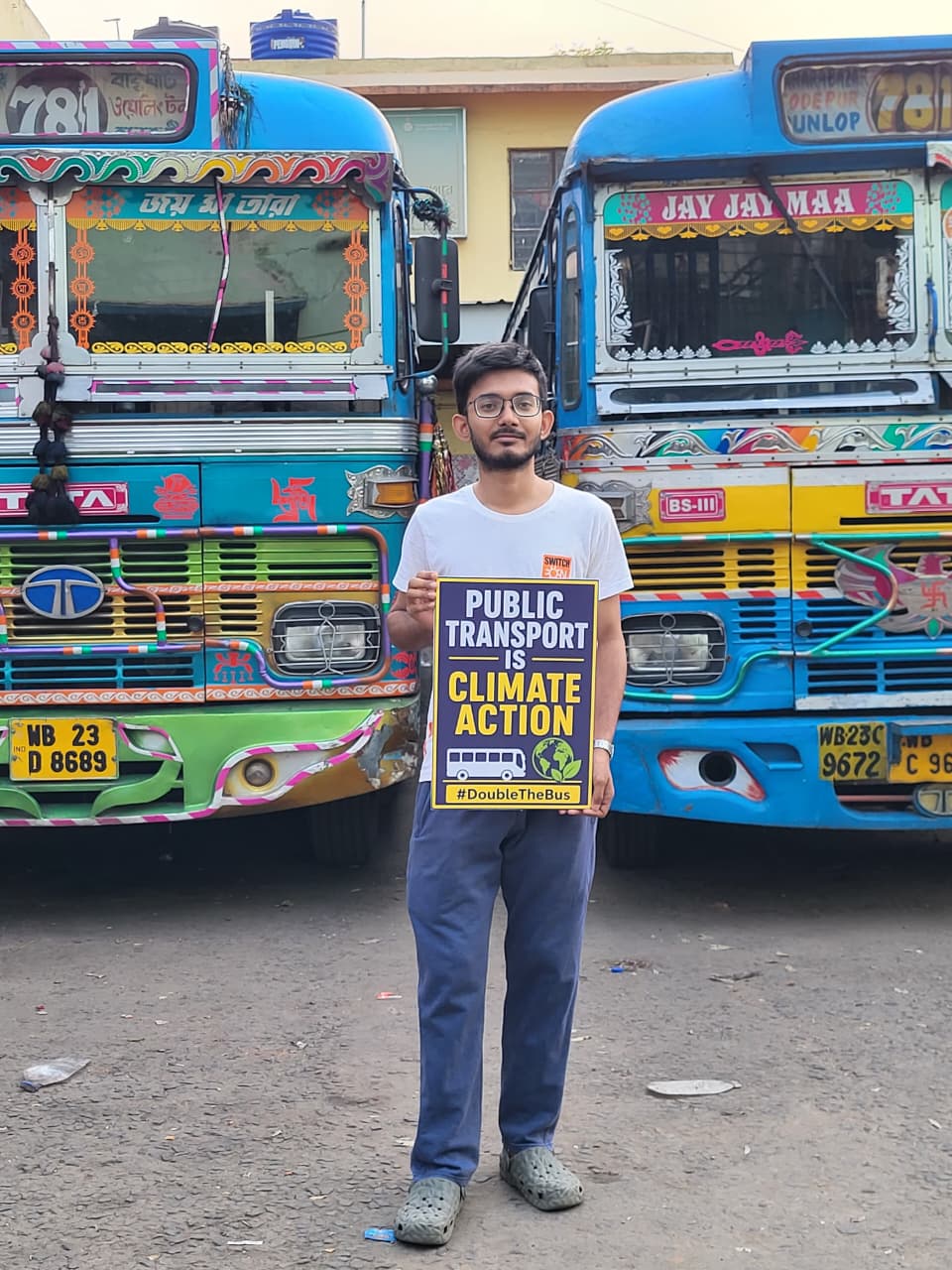
এই প্রসঙ্গে মি. বিনয় জাজু, পরিচালক, EarthON Foundation (আর্থঅন ফাউন্ডেশন) বলেন, “সাশ্রয়ী ও সহজলভ্য যাতায়াত ব্যবস্থার মেরুদণ্ড হলো গণপরিবহণ বাস। দূষণ, যানজট এবং পরিবহণ বৈষম্য কমাতে বাসের সংখ্যা বাড়ানো এখন সময়ের দাবি।” সম্প্রতি রাজ্যের নতুন সরকার মহিলাদের জন্য সরকারি বাসে বিনামূল্যে যাতায়াতের প্রতিশ্রুতি দিয়েছে। পরিবহণ বিশেষজ্ঞদের মতে, এ ধরনের উদ্যোগ বাস্তবায়িত হলে বাস পরিষেবার চাহিদা আরও বাড়বে এবং সেই চাহিদা পূরণে বাসের সংখ্যা বৃদ্ধি করা অত্যাবশ্যক হয়ে উঠবে। নাগরিক সমাজের প্রতিনিধিরা পশ্চিমবঙ্গ সরকার, নগর স্থানীয় সংস্থা এবং পরিবহণ কর্তৃপক্ষের কাছে বাসের সংখ্যা বৃদ্ধি, পরিষেবার মানোন্নয়ন, বাস-অগ্রাধিকারভিত্তিক অবকাঠামো নির্মাণ, স্বচ্ছ তথ্য প্রকাশ এবং সবার জন্য সাশ্রয়ী ও নির্ভরযোগ্য গণপরিবহণ নিশ্চিত করার দাবি জানিয়েছেন। #DoubleTheBus প্রচারের মূল বার্তা একটাই—পশ্চিমবঙ্গের শহরগুলিকে আরও পরিচ্ছন্ন, স্বাস্থ্যকর এবং বাসযোগ্য করতে হলে গণপরিবহণে বিনিয়োগ বাড়াতেই হবে।

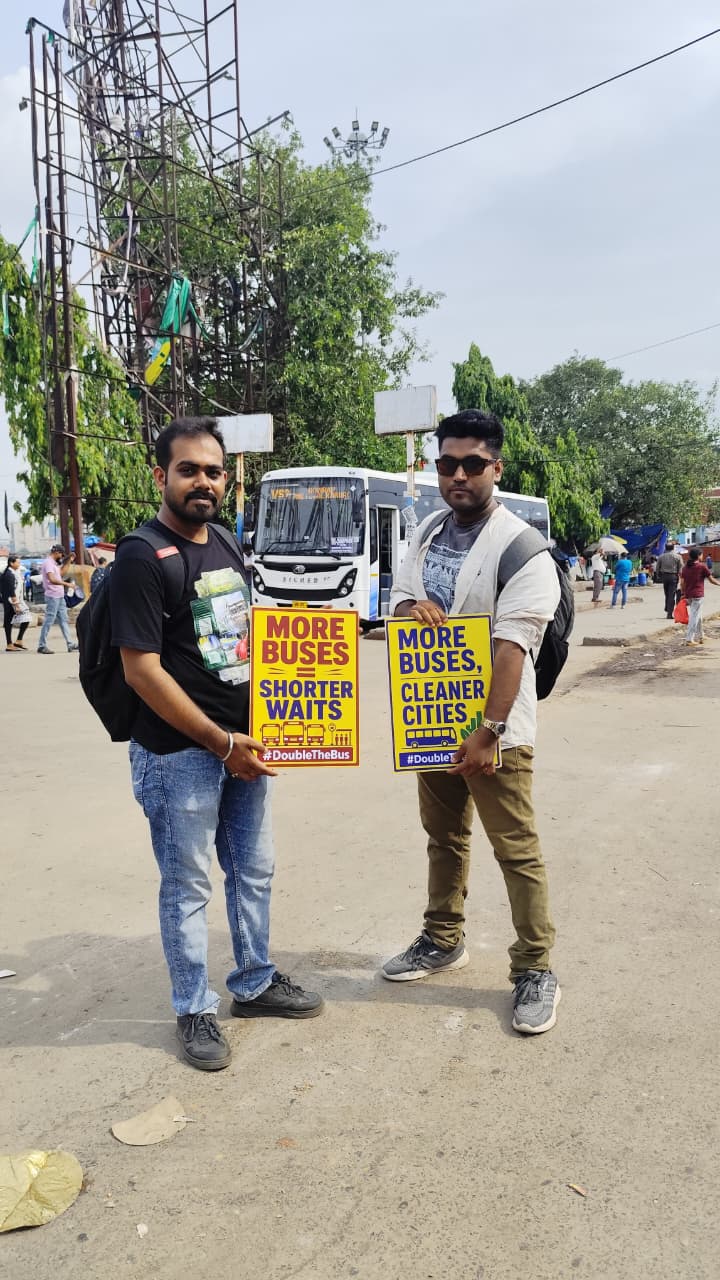

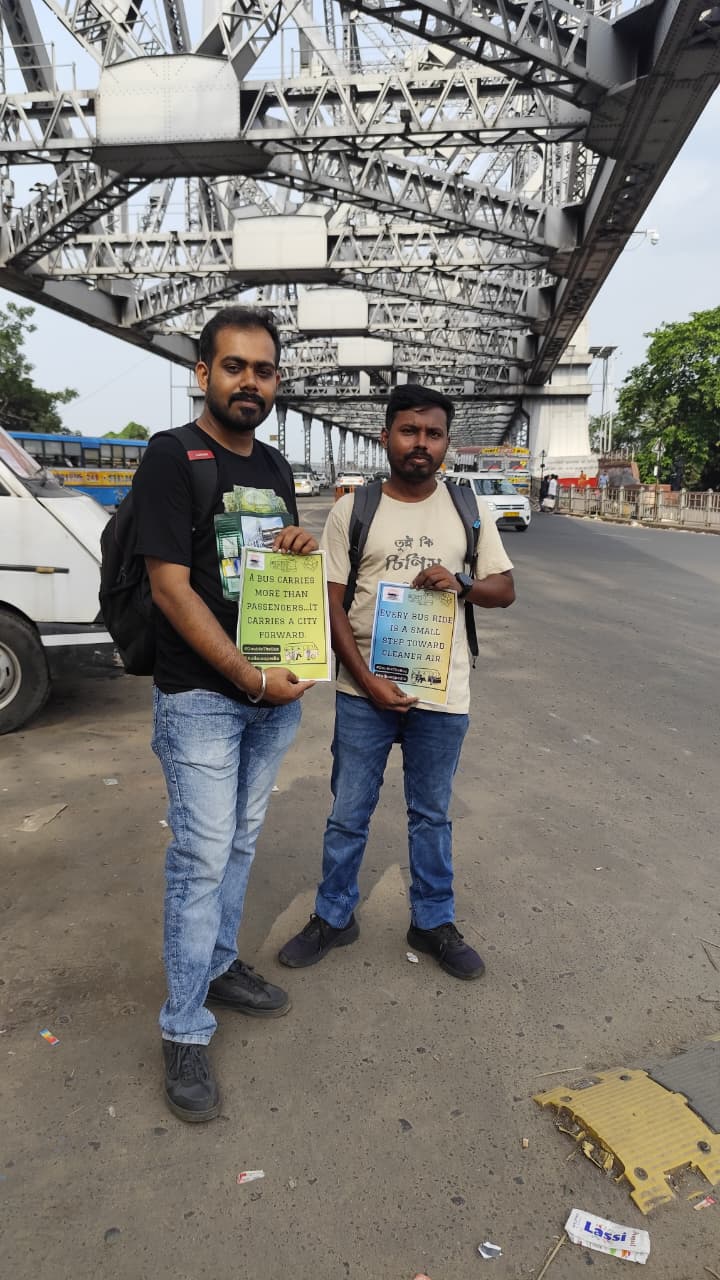
The initiative highlights how investing in buses can cut pollution, reduce fuel costs, improve mobility, and make West Bengal’s cities more livable.
This World Environment Day, as nations recommit to emissions reduction and liveable cities, data shows that West Bengal’s cities have failed a basic climate test. They operate fewer than 30 buses per lakh people, less than half the Government of India’s prescribed minimum. Highlighting this lack of investment in an important climate solution, citizens and civil society organizations in Kolkata and Durgapur came together on Thursday under the #DoubleTheBus initiative. Participants gathered at bus stops, holding banners and placards that highlighted the environmental, economic, and social benefits of investing in public transport. According to data compiled from state transport undertakings and urban bus systems, many Indian cities continue to operate far fewer buses per capita than many other countries. While the Ministry of Housing and Urban Affairs sets a benchmark of 40 to 60 buses per lakh population, Kolkata operates only 23 buses per lakh population, among the lowest ratios for major Indian cities. By comparison, Bengaluru has 47 buses per lakh population.
Despite being the third-most populous metropolitan region in India, Kolkata does not have a dedicated state transport undertaking focused exclusively on intracity bus operations. The West Bengal Transport Corporation and private operators run public bus services in the Kolkata metropolitan area. “Public buses remain the backbone of affordable mobility. “Increasing their numbers is essential for reducing congestion, pollution, and transport inequality,” said Mr. Vinay Jaju, Director, EarthON Foundation. The Bharatiya Janata Party, which recently won West Bengal’s state election, committed in its election manifesto to free bus travel for women on all public buses across the state. Trends from other states, such as Karnataka, which introduced such a scheme in 2022, indicate that this will lead to a rise in demand for buses and necessitate expansion of public bus fleets. Civil society organizations and mobility experts are urging the government of West Bengal, urban local bodies, and transport authorities to expand public bus fleets substantially, improve service reliability, prioritize dedicated bus infrastructure, publish transparent operational data, and ensure affordable and accessible public transport for all.