


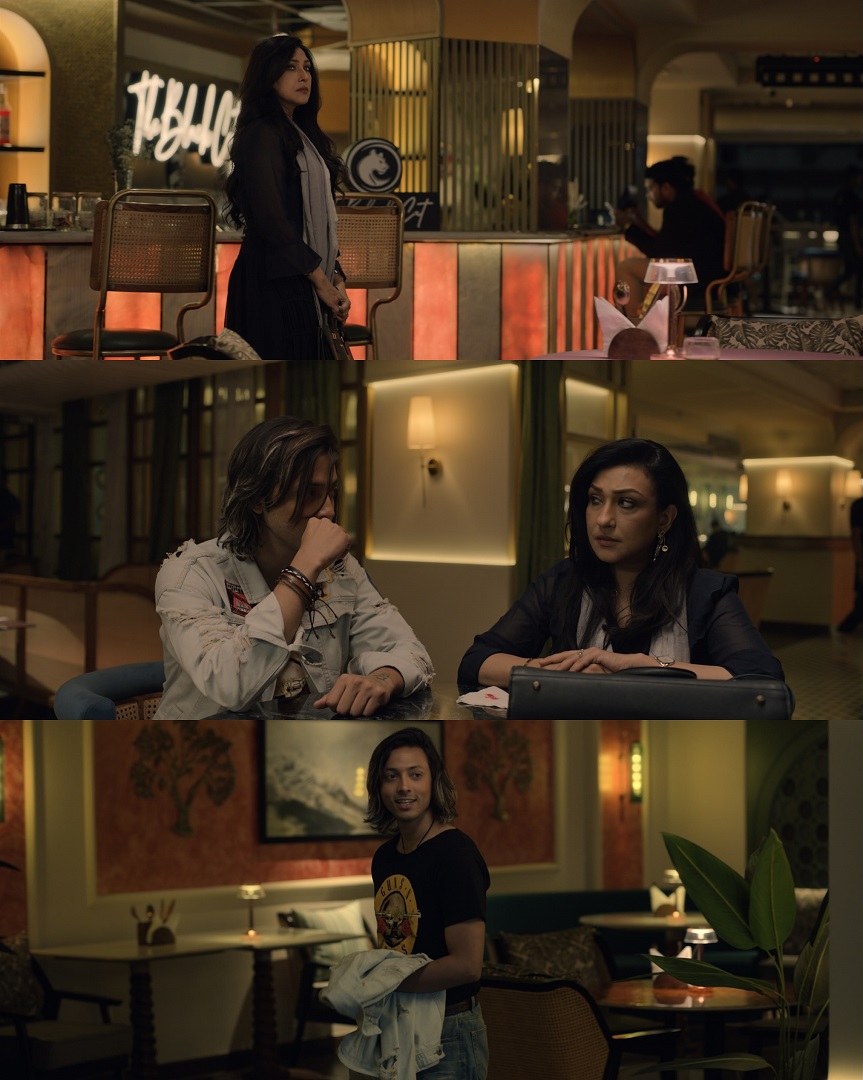
Cinema is often remembered through moments. But what allows those moments to linger long after the credits roll is the world they inhabit. Every unforgettable film creates a visual language, one that quietly shapes emotion before a single dialogue is spoken. It is a language built with light, shadows, color, texture, and atmosphere. Long before audiences consciously notice it, they have already begun feeling it. This is precisely where Nevermind, directed by Chaiti Ghoshal and releasing in theaters on 3rd July, distinguishes itself. Even before the film reaches cinemas, the teaser, trailer, and its first song, Violet Bari, have sparked conversations, not merely for the performances or the intrigue surrounding the narrative but for something far subtler. Viewers have repeatedly found themselves drawn to the film’s striking visual identity. There is an unmistakable mood that permeates every frame. It doesn’t scream for attention; it quietly envelops the audience. That achievement is no accident. At the heart of Nevermind lies a carefully orchestrated collaboration between director Chaiti Ghoshal, cinematographer Gopi Bhagat, and colorist Debojyoti Ghosh. Together, they have crafted a cinematic palette that feels both contemporary and timeless, distinctly Bengali yet unmistakably international in its aesthetic vocabulary—Chaiti Ghoshal’s vision. Ultimately, visual language begins with the director. Every color choice, every lighting decision, and every tonal reference must emerge from a singular creative vision. Under Chaiti Ghoshal’s direction, Nevermind demonstrates a confidence that refuses to conform to the visual grammar often associated with mainstream Bengali commercial cinema. Instead of relying on heightened saturation or overt glamour, the film embraces atmosphere, silence, and emotional texture. It trusts its audience to engage with the mood rather than the spectacle. That confidence is perhaps what makes the film feel unexpectedly global. Not because it imitates international cinema, but because it understands a universal cinematic truth, that visual storytelling transcends language.
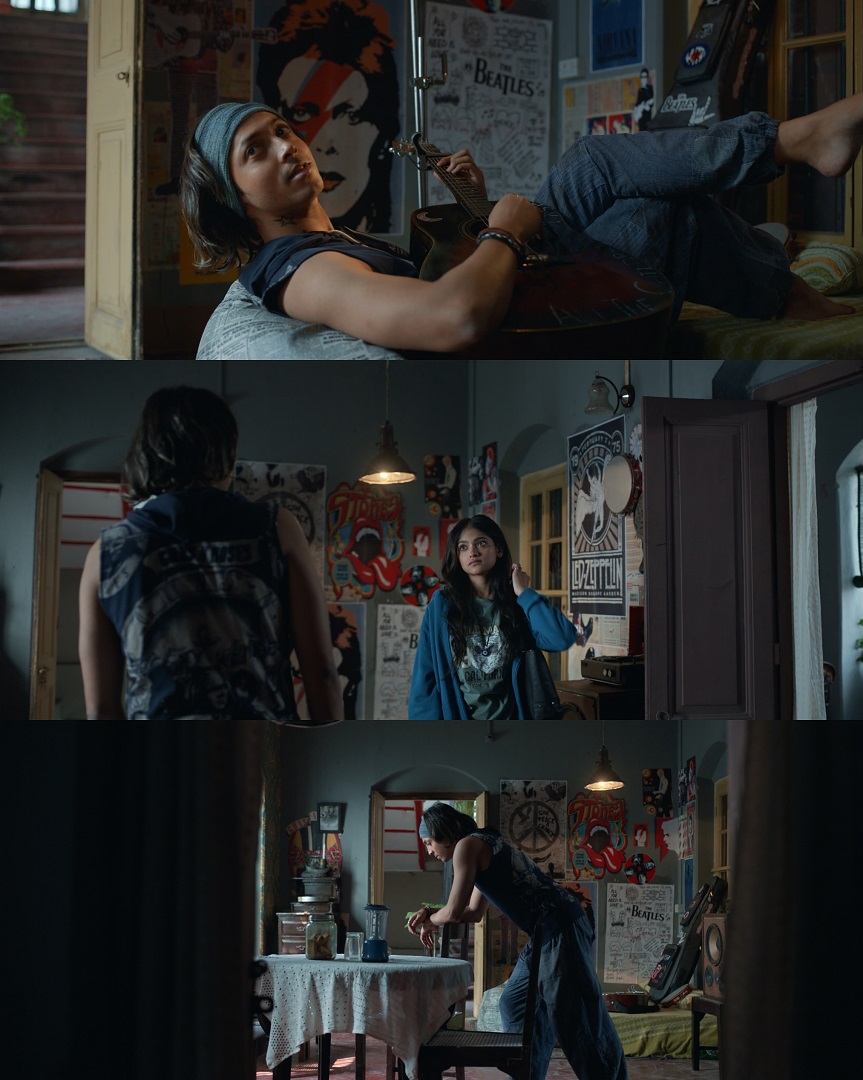
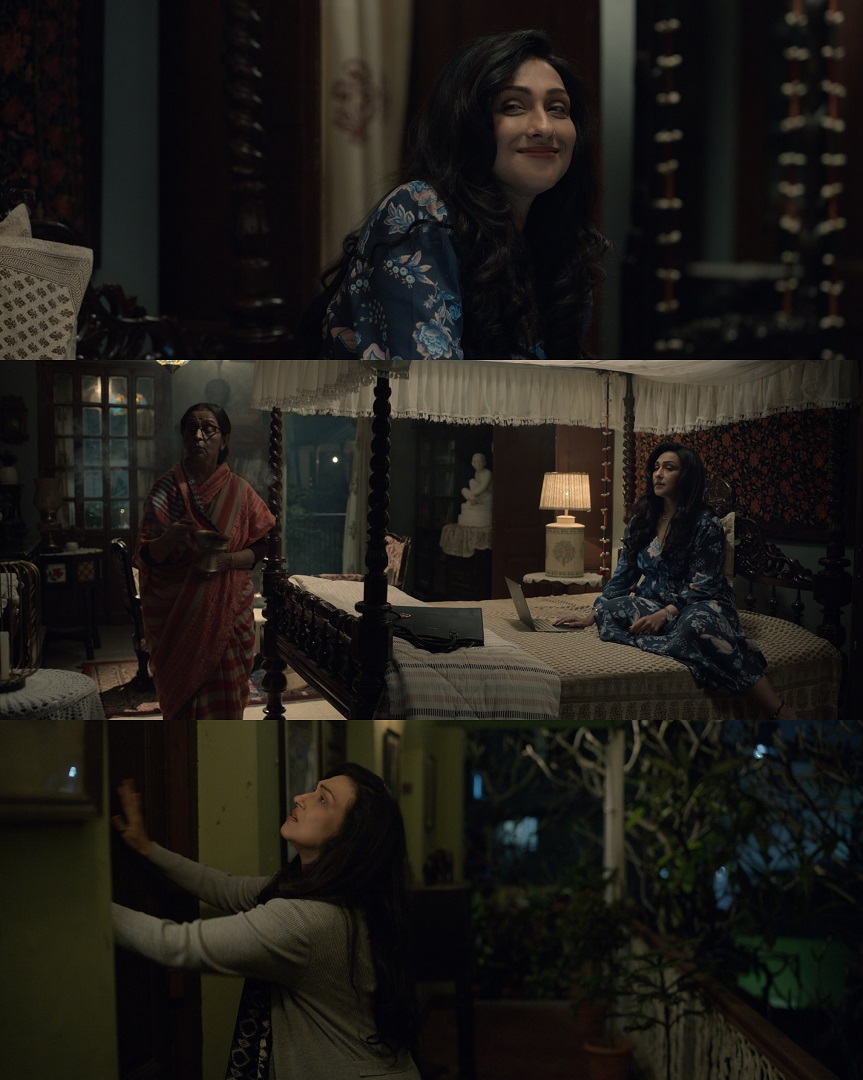

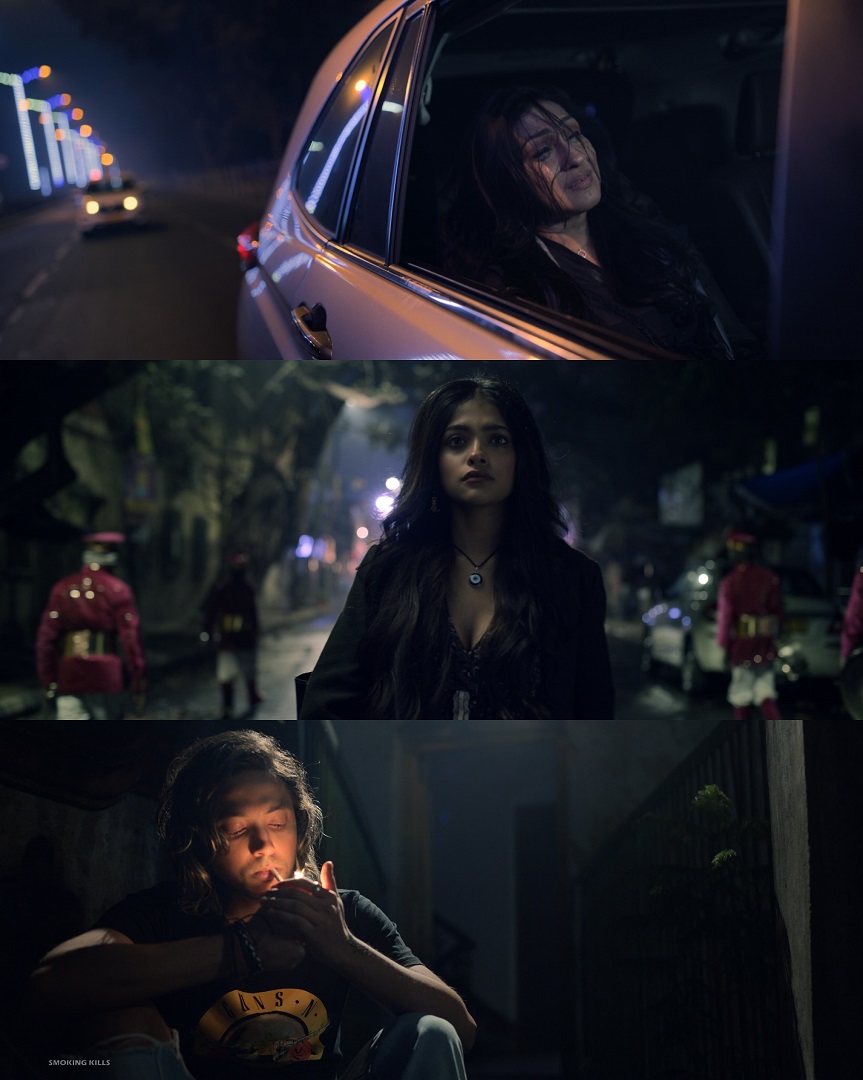
Gopi Bhagat’s Lens: Light as Emotion Few cinematographers understand the relationship between light and human psychology as intuitively as Gopi Bhagat. Rather than overwhelming the frame with spectacle, his cinematography in Nevermind demonstrates remarkable restraint. The camera observes rather than performs. Lighting appears motivated by the spaces themselves, allowing every source, from practical fixtures to ambient illumination, to feel organically integrated into the narrative. This realism gives the film its immersive quality. Every reflection, every shadow, every silhouette contributes to an atmosphere that feels lived-in rather than constructed. It is a reminder that true cinematic beauty often lies not in what is illuminated, but in what is deliberately left concealed. Building the World of Nevermind Set largely over the course of a single night, Nevermind unfolds within spaces that feel suspended between reality and memory. Its visual identity embraces a restrained noir sensibility, not the exaggerated darkness associated with classic detective films, but a quieter, more psychological interpretation of the genre. The film avoids excessive brightness or flamboyant color. Instead, it leans into muted blues, teals, cool greys, and carefully controlled shadows. Much of this immersive visual language is shaped by colorist Debojyoti Ghosh, whose nuanced grading gives the film its distinctive palette and emotional depth, ensuring that every frame carries weight without ever drawing attention to the technique itself. The darkness here is never merely the absence of light. It becomes a narrative device. The cool palette creates emotional ambiguity. It allows mystery to breathe. It reflects loneliness without becoming melancholic, tension without becoming theatrical. More importantly, it mirrors the emotional complexity of the characters themselves. The visual language doesn’t dictate how the audience should feel. It invites them to discover those emotions on their own. When a film finds its own color, it eventually becomes associated with a feeling. Sometimes it is a melody. Sometimes a performance. Sometimes it is a line of dialogue, and sometimes it is simply a color. From everything audiences have witnessed so far, Nevermind appears to have discovered its own visual identity, one built on restraint, emotional precision, and atmospheric depth. It is a reminder that cinema is not merely watched; it is experienced through texture, light, and color. Long after individual scenes fade from memory, what often remains is the feeling those images leave behind. If the teaser, trailer, and music are any indication, Nevermind is poised to leave behind not just a story, but an atmosphere. And in contemporary cinema, that may be its greatest achievement. Nevermind is all set for its theatrical release on July 3.