
web analytics
IMG_20260228_153827
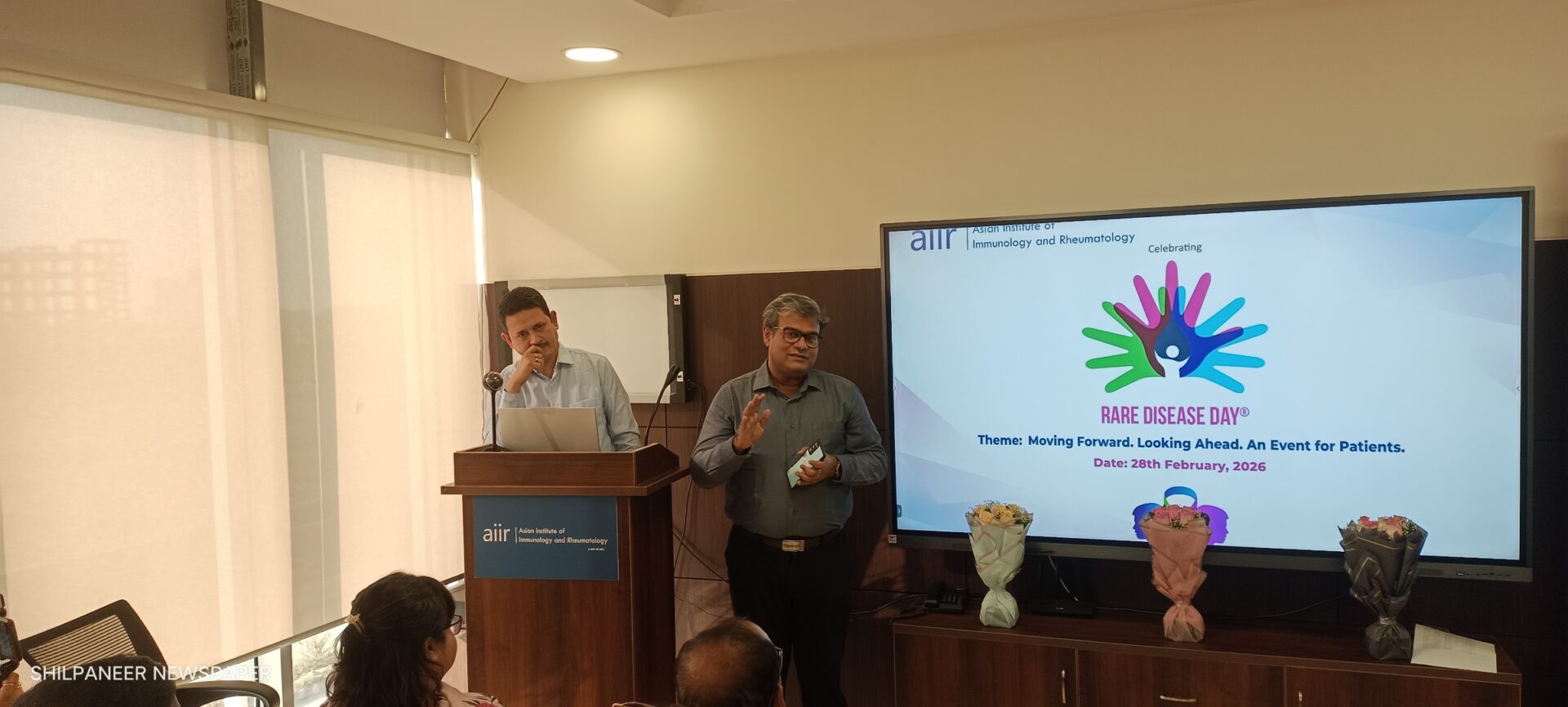
The Asian Institute of Immunology & Rheumatology (AIIR) remained dedicated to raising awareness about rare immune and inflammatory disorders and strengthening patient support networks in Eastern India. On the occasion of Rare Disease Day, AIIR hosted a patient-focused awareness programme under the theme: “Moving Forward. Looking Ahead—An Event for Patients” The programme brought together patients living with complex and often under-recognised disorders, including:
  • Common Variable Immunodeficiency (CVID) – a primary immune deficiency characterised by low antibody levels leading to recurrent infections and autoimmune complications. Early diagnosis significantly improved the quality of life.
  • Chronic Granulomatous Disease (CGD) is a rare inherited disorder affecting white blood cell function, predisposing individuals to severe bacterial and fungal infections.
  • Behçet’s disease—a multisystem inflammatory condition presenting with recurrent oral and genital ulcers, eye inflammation, skin lesions, and vascular involvement.
  • DiGeorge Syndrome (22q11.2 deletion syndrome)—a genetic condition associated with immune deficiency, cardiac anomalies, and developmental challenges.
  • DADA2 (Deficiency of Adenosine Deaminase 2)—a rare autoinflammatory disease causing early-onset strokes, vasculitis, cytopenias, and immune dysfunction.
  • Good’s Syndrome—an adult-onset immunodeficiency associated with thymoma leading to recurrent infections and autoimmune features.
  • IgG4-Related Disease – a chronic inflammatory condition affecting multiple organs, including the pancreas, salivary glands, kidneys, and retroperitoneum, often mimicking malignancy.
  • Relapsing Polychondritis – a rare autoimmune disease targeting cartilage, commonly affecting ears, nose, airways, and joints.
  • Giant Cell Arteritis—a large-vessel vasculitis seen typically in older adults that could lead to severe complications such as vision loss if untreated.
  • Systemic Lupus Erythematosus (SLE)—a chronic multisystem autoimmune disease in which the immune system attacks the body’s own tissues, potentially affecting the skin, joints, kidneys, brain, blood cells, and other organs. Early recognition with appropriate immunomodulatory therapy remained crucial to prevent long-term organ damage.
  • Sarcoidosis – a systemic inflammatory disorder characterised by non-caseating granulomas in affected organs, most commonly lungs and lymph nodes, but also skin, eyes, heart, and nervous system. The disease ranged from self-limiting to chronic progressive forms requiring long-term immunosuppressive treatment.
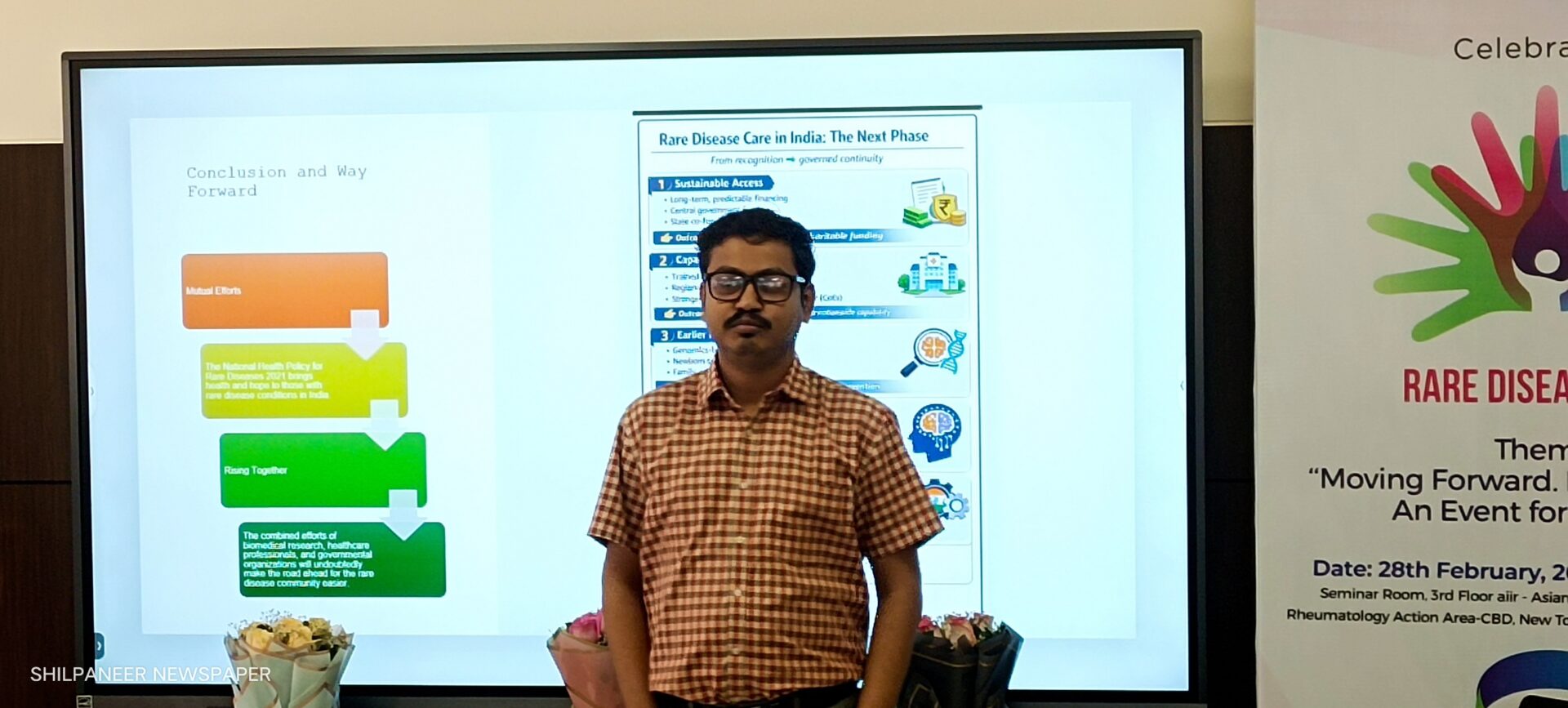
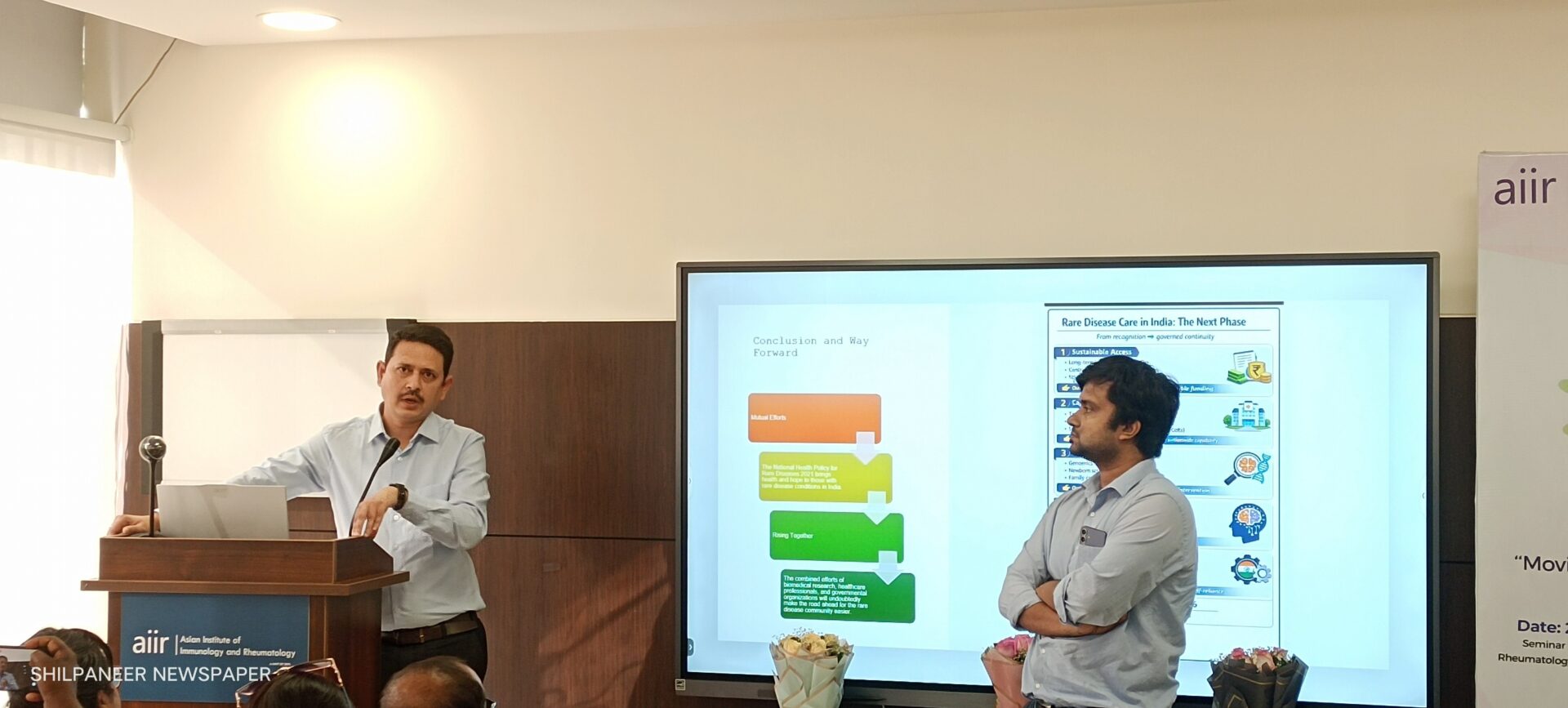
The event commenced with an introductory address by Dr Parthajit Das, Director, AIIR, who formally introduced the programme and reaffirmed the institute’s unwavering commitment to raising awareness, promoting early diagnosis, strengthening research, and building structured patient-support systems for rare immune-mediated diseases. Dr Samar Ranjan Pal, senior consultant rheumatologist, discussed the broader medical aspects of rare diseases, focusing on clinical red flags, diagnostic challenges, advances in immunotherapy, and the importance of coordinated multidisciplinary care. Dr Sanjib Mondal, Head of the Paediatric Rheumatology Unit, AIIR, highlighted autoimmune and gene-mediated autoinflammatory diseases in children, emphasising early recognition, the role of genetics, and long-term outcomes in paediatric populations. Dr A. K. Majumder, Senior Ophthalmologist, addressed the often-overlooked issue of ocular involvement in autoimmune diseases, underscoring how eye manifestations often preceded or complicated systemic disease and were frequently delayed in diagnosis. Dr Sampurna Roy Choudhury, Manager – Policy and Government Affairs, AstraZeneca Pharma India Ltd, spoke on “Rare Disease Policy in India – The Way Forward”, outlining the policy landscape, access barriers, and future directions for strengthening institutional and governmental support. Dr Abhirup Sarkar, Lab Director, Suraksha Diagnostics, discussed the critical role of genetics in rare disease diagnosis, highlighting the importance of genomic testing and precision medicine in shortening the diagnostic odyssey. Dr Arghya Chattopadhyay, academic director, AIIR, deliberated on the societal impact of living with rare diseases, addressing stigma, psychosocial burden, economic challenges, and the need for sustained advocacy and community engagement. The programme culminated in a dedicated Patient Experience Sharing Session that offered a meaningful platform for individuals and carers to narrate their lived journeys. Many rare disease patients had endured a prolonged “diagnostic odyssey”, often consulting multiple specialists over months or years before receiving an accurate diagnosis. During this session, patients reflected on the uncertainty, misdiagnoses, repeated investigations, financial strain, emotional distress, and social isolation that frequently accompanied rare conditions. They also spoke about the turning point of finally receiving a diagnosis—what it meant in terms of validation, access to appropriate therapy, and restoration of hope. Carers shared their perspectives on navigating healthcare systems, balancing family responsibilities, and advocating persistently for their loved ones. Beyond highlighting challenges, this segment aimed to celebrate resilience, demonstrating how informed care, multidisciplinary collaboration, and supportive communities transformed outcomes. By bringing the human voice to the forefront, the session sought to sensitise healthcare professionals, policymakers, and society at large to the real-world impact of rare diseases and the urgent need for awareness, timely referral pathways, and structured support systems. Through patient interactions, focused expert talks, and open dialogue, the programme emphasised the importance of early recognition, accurate diagnosis, and timely referral, which were often delayed in rare diseases due to a lack of awareness. Discussions highlighted the need for multidisciplinary collaboration—bringing together immunologists, rheumatologists, neurologists, ophthalmologists, dermatologists, geneticists, and other specialists—to ensure comprehensive care. The event also addressed access to advanced diagnostics, biologic therapies, immunoglobulin replacement, genetic counselling, and long-term monitoring, alongside the psychosocial challenges faced by patients and families. Importantly, the gathering created a supportive patient community where individuals and carers shared lived experiences, reduced isolation, and empowered one another. By fostering dialogue between patients and healthcare professionals, AIIR sought to bridge gaps in understanding, counter misinformation, and advocate for policy-level attention to rare immune-mediated disorders. The Asian Institute of Immunology & Rheumatology remained steadfast in its commitment to awareness, education, research, and compassionate care, ensuring that rare diseases were recognised early, managed scientifically, and addressed with dignity and empathy.
SHILPANEER NEWSPAPER

Leave a Reply

Your email address will not be published. Required fields are marked *

Verified by MonsterInsights