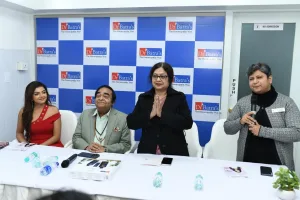

কলকাতা, ১১ নভেম্বর ২০২৫: ভারতের অন্যতম বৃহৎ স্বাস্থ্যসেবা প্রদানকারী সংস্থা মণিপাল হাসপাতাল গ্রুপের একটি ইউনিট— মণিপাল হাসপাতাল ঢাকুরিয়া, পুরুষদের গুরুত্বপূর্ণ স্বাস্থ্য সমস্যাগুলিকে বিশেষভাবে তুলে ধরতে আজ একটি বিশেষ পুরুষ স্বাস্থ্য সচেতনতা সেশন আয়োজন করে। এই আলোচনা সভার মূল লক্ষ্য ছিল পুরুষদের স্বাস্থ্য নিয়ে প্রচলিত নীরবতা ভাঙা, প্রোস্টেট-সংক্রান্ত রোগ সম্পর্কে সচেতনতা বৃদ্ধি, মানসিক সুস্থতা নিয়ে খোলামেলা কথা বলা, এবং রোগী ও তাঁদের পরিবারের মধ্যে সময়মতো চিকিৎসা নেওয়ার গুরুত্ব বোঝানো। এই কর্মসূচি পরিচালনা করেন ড. বাস্তব ঘোষ, সিনিয়র কনসালট্যান্ট – ইউরোলজি ও ইউরো–অঙ্কোলজি এবং সহেলী গাঙ্গুলি, কনসালট্যান্ট – ক্লিনিক্যাল সাইকোলজিস্ট, মণিপাল হাসপাতাল ঢাকুরিয়া। অনুষ্ঠানে উপস্থিত ছিলেন হাসপাতালের ডিরেক্টর দিলীপ কুমার রায়। ভারতে পুরুষদের স্বাস্থ্য এখনও অনেকাংশে উপেক্ষিত একটি বিষয়। তথ্য বলছে, প্রায় ৬০% পুরুষ সময়মতো চিকিৎসা নিতে দেরি করেন— কলঙ্কবোধ, সচেতনতার অভাব ও পরিবারের দায়িত্বকে অগ্রাধিকার দেওয়ার কারণেই এমনটি ঘটে। পাশাপাশি, ৫০ বছরের বেশি বয়সী প্রতি ছ’জন পুরুষের একজন প্রোস্টেট সমস্যায় ভোগেন, যার বেশিরভাগই ধরা পড়ে দেরিতে। মানসিক স্বাস্থ্যের ক্ষেত্রেও পুরুষরা অনেক সময় সমস্যার কথা জানান না— বিভিন্ন সমীক্ষায় দেখা গেছে, ৪০%–এর বেশি পুরুষ মানসিক চাপ বা আবেগজনিত সমস্যার কথা প্রকাশ করতে দ্বিধা করেন। এর ফলে চিকিৎসা বিলম্বিত হয়, জটিলতা বাড়ে এবং পরিবারের ওপর মানসিক চাপ তৈরি হয়।এই পরিস্থিতি বদলাতেই মণিপাল হাসপাতাল ঢাকুরিয়ার পুরুষ স্বাস্থ্য সচেতনতা কর্মসূচি পুরুষদের মধ্যে আলাপ-আলোচনা, নিয়মিত পরীক্ষা এবং মানসিক খোলামেলাতার গুরুত্ব তুলে ধরেছে।
অনুষ্ঠানের শুরুতে দিলীপ কুমার রায় স্বাগত ভাষণে পুরুষদের প্রতিরোধমূলক স্বাস্থ্যসেবার দিকে গুরুত্ব দেওয়ার প্রয়োজনীয়তা তুলে ধরেন। তিনি বলেন, “পুরুষরা প্রায়ই পরিবারকে অগ্রাধিকার দিতে গিয়ে নিজের স্বাস্থ্যকে অবহেলা করেন। ফলস্বরূপ, অনেক সময় গুরুতর সমস্যাও অজান্তে বাড়তে থাকে। মণিপাল হাসপাতালে আমরা সম্প্রদায়ের সুস্থতা নিশ্চিত করতে এই ধরনের আলোচনাকে বিশেষ গুরুত্ব দিই। পরিবারের জন্য যাঁরা এত কিছু করেন, তাঁদের নিজেদের শারীরিক ও মানসিক চাহিদার প্রতিও দায়বদ্ধ হওয়া উচিত। আজকের এই সেশন সেই সচেতনতার দিকে একটি গুরুত্বপূর্ণ পদক্ষেপ।”
সেশনে বক্তব্য রাখতে গিয়ে ড. বাস্তব ঘোষ বলেন, “প্রোস্টেট-সংক্রান্ত সমস্যাগুলি শুরুতে সাধারণত বোঝা যায় না, কারণ এগুলি ধীরে ধীরে বাড়তে থাকে। অনেক পুরুষই বয়সজনিত সমস্যা ভেবে লক্ষণগুলি এড়িয়ে যান। বয়স বাড়ার সঙ্গে ঝুঁকিও বাড়ে, তাই ৫০ বছরের পর নিয়মিত স্ক্রিনিং অত্যন্ত জরুরি। ভারতীয় উপমহাদেশে প্রোস্টেট ক্যানসার তুলনামূলকভাবে বেশি আগ্রাসী, ফলে সময়মতো শনাক্ত করা বিশেষ গুরুত্বপূর্ণ। চিকিৎসক ও স্বাস্থ্যসেবাদানকারীদেরও উচিত রোগীদের স্ক্রিনিংয়ের বিষয়ে আরও উৎসাহিত করা। সময়মতো শনাক্ত হলে চিকিৎসার ফলাফল ভালো হয়, সুস্থ হতে কম সময় লাগে এবং জটিলতার ঝুঁকি কমে। দুর্ভাগ্যজনকভাবে অনেকেই দেরিতে চিকিৎসার জন্য আসেন। আজকের মতো কথা বলার সুযোগ পুরুষদের বুঝতে সাহায্য করে যে দ্রুত চিকিৎসা নেওয়া দুর্বলতা নয়— এটি তাঁদের নিজের এবং পরিবারের প্রতি দায়িত্ব।”
এছাড়াও তিনজন অংশগ্রহণকারী— প্রণব সরকার, বিদ্যুৎ রায় এবং রাজেশ ভট্টাচার্য— যাঁরা ড. বাস্তব ঘোষের তত্ত্বাবধানে প্রোস্টেট চিকিৎসার মধ্য দিয়ে গিয়েছিলেন, তাঁরা নিজেদের অভিজ্ঞতা ভাগ করে নেন। লক্ষণ দেখা থেকে সুস্থতা ফিরে পাওয়া পর্যন্ত তাঁদের যাত্রাপথ সংক্ষেপে তুলে ধরে তাঁরা জানান, কীভাবে ড. ঘোষের সঠিক নির্দেশনা ও সহানুভূতিশীল আচরণ তাঁদের আত্মবিশ্বাস ফিরিয়ে দিয়েছে। তাঁদের অভিজ্ঞতা প্রোস্টেট সমস্যায় সময়মতো স্ক্রিনিং ও বিশেষজ্ঞ–নেতৃত্বাধীন চিকিৎসার গুরুত্ব আরও স্পষ্ট করে তোলে। অনুষ্ঠানের বিশেষ অংশ ছিল রোগীদের মধ্যে অভিজ্ঞতা–ভিত্তিক আন্তঃআলাপ, যেখানে উপস্থিত অংশগ্রহণকারীরা একটি বাটির মধ্য থেকে প্রশ্ন বেছে নিয়ে অন্য রোগীদের অভিজ্ঞতা সম্পর্কে জানতে চান। তাঁরা প্রথম কখন লক্ষণ বুঝেছিলেন, কার কাছে পরামর্শ নিয়েছিলেন, পরিবারের ভূমিকা কী ছিল, মানসিক চাপ কতটা ছিল, এবং চিকিৎসার পর তাঁদের জীবনে কী পরিবর্তন এসেছে— এসব বিষয়ে খোলামেলা আলোচনা করেন। এই পদ্ধতি সবার মধ্যে আস্থা, মানসিক সান্ত্বনা ও পারস্পরিক সমর্থনের পরিবেশ তৈরি করে।
এছাড়াও তিনজন অংশগ্রহণকারী— প্রণব সরকার, বিদ্যুৎ রায় এবং রাজেশ ভট্টাচার্য— যাঁরা ড. বাস্তব ঘোষের তত্ত্বাবধানে প্রোস্টেট চিকিৎসার মধ্য দিয়ে গিয়েছিলেন, তাঁরা নিজেদের অভিজ্ঞতা ভাগ করে নেন। লক্ষণ দেখা থেকে সুস্থতা ফিরে পাওয়া পর্যন্ত তাঁদের যাত্রাপথ সংক্ষেপে তুলে ধরে তাঁরা জানান, কীভাবে ড. ঘোষের সঠিক নির্দেশনা ও সহানুভূতিশীল আচরণ তাঁদের আত্মবিশ্বাস ফিরিয়ে দিয়েছে। তাঁদের অভিজ্ঞতা প্রোস্টেট সমস্যায় সময়মতো স্ক্রিনিং ও বিশেষজ্ঞ–নেতৃত্বাধীন চিকিৎসার গুরুত্ব আরও স্পষ্ট করে তোলে।
অনুষ্ঠানে বক্তব্য রাখতে গিয়ে মিস সহেলী গাঙ্গুলি বলেন, “পুরুষদের মানসিক স্বাস্থ্য বর্তমানে এক নীরব সংকট। সমাজের প্রত্যাশা— পুরুষদের সবসময় শক্ত, দৃঢ় ও আত্মনির্ভর হতে হবে— এই ধারণাই অনেক সময় পুরুষদের আবেগ প্রকাশে বাধা দেয়। ফলে তাঁরা সাহায্য চাইতে দ্বিধা করেন বা অস্বাস্থ্যকর উপায়ে চাপ সামলানোর চেষ্টা করেন। এই পরিস্থিতি বদলাতে হলে প্রয়োজন বিচারহীন, সহানুভূতিশীল ও পুরুষবান্ধব মানসিক স্বাস্থ্য পরিষেবা। প্রোস্টেটেক্টমির পর কাউন্সেলিং দম্পতিদের মধ্যে যোগাযোগ বাড়াতে সাহায্য করে, ঘনিষ্ঠতা নতুনভাবে বোঝাতে সাহায্য করে এবং চাপ কমিয়ে ‘আমাকে পারতেই হবে’–এর বদলে ‘আমাদের একসঙ্গে এগোতে হবে’— এই ভাবনা তৈরি করে।” অনুষ্ঠানের শেষে প্রতিবেশী এলাকার প্রবীণ নাগরিকরা স্ক্রিনিংয়ের সময়সূচি, চিকিৎসার পর জীবনযাপন, মানসিক পরামর্শ, দীর্ঘমেয়াদী পার্শ্বপ্রতিক্রিয়া এবং পরিবারের ভূমিকা নিয়ে বিভিন্ন প্রশ্ন করেন। বিশেষজ্ঞরা সহজ ভাষায় তাঁদের সব প্রশ্নের উত্তর দেন এবং জানিয়ে দেন— নিয়মিত স্বাস্থ্য পরীক্ষা, খোলামেলা আলোচনা ও সচেতনতা শারীরিক এবং মানসিক সুস্থতা পুনরুদ্ধারে গুরুত্বপূর্ণ ভূমিকা রাখে।
Kolkata, 11th November 2025: Manipal Hospital Dhakuria, a unit of one of the largest healthcare providers in India—Manipal Hospital Group, hosted a special Men’s Health Awareness Session today to highlight critical health concerns among men, with a specific focus on prostate-related conditions and mental well-being. The gathering aimed to dismantle the silence often surrounding men’s health issues, encouraging early diagnosis, emotional openness, and informed decision-making among patients and families. The programme was conducted by Dr Bastab Ghosh, Senior Consultant – Urology and Uro-Oncology, and Ms Sahely Ganguly, Consultant – Clinical Psychologist at Manipal Hospital Dhakuria, in the presence of Mr Dilip Kumar Roy, Hospital Director, Manipal Hospital, Dhakuria. In India, men’s health often remains a neglected subject despite growing evidence of disease burden. Studies indicate that nearly 60% of Indian men delay seeking medical care, largely due to stigma, lack of awareness, and prioritising family responsibilities. According to recent national health statistics, prostate disorders affect almost one in six men above the age of 50, with many cases detected only at advanced stages. In addition, emotional distress among men often goes unreported; surveys have shown that over 40% of men hesitate to talk about mental health challenges. This lack of communication results in delayed treatment, higher risk of complications, and increased carer burden. The Men’s Health Awareness programme aims to address these gaps by encouraging conversations, early screening, and psychological openness so that men recognise symptoms early and seek timely intervention.
The programme commenced with a welcome note from Mr Dilip Kumar Roy, who underscored the need to redirect focus toward preventive and timely healthcare for men. He remarked, “Men often place family responsibilities above their own health, overlooking symptoms until they escalate into serious complications. At Manipal Hospital Dhakuria, we believe in driving conversations that strengthen community well-being. While men ensure the welfare of their families, they seldom prioritise their own physical and emotional needs. This session is a meaningful step towards encouraging them to take charge of their health and acknowledge the importance of seeking care early.”
Speaking during the session, Dr Bastab Ghosh shared, “Prostate-related conditions often remain undetected for long periods because they progress silently, and many men ignore early signs, assuming them to be routine age-related changes. As age increases, so does the risk, which is why regular screening after 50 becomes extremely critical. Prostate cancer in the Indian subcontinent region is much more aggressive as compared to the Western world, and here comes the importance of early detection. We need to conduct more awareness-driven and educational initiatives to encourage individuals to prioritise regular check-ups. It is equally important to sensitise care providers so they can actively promote screening and early detection of prostate cancer. Early diagnosis leads to far better treatment outcomes and smoother recovery, and helps prevent long-term complications. Unfortunately, many patients come to us only after the condition has advanced. Conversations like today’s are essential. They help men realise that seeking help early is not a weakness but a responsibility they owe to themselves and to their families.”
The session also featured heartfelt accounts from three individuals, Pranab Sarkar, Bidyut Roy, and Rajesh Bhattacharya, who underwent prostate surgery under the care of Dr Bastab Ghosh. They shared brief reflections on their journey from early symptoms to recovery, highlighting how Dr Ghosh’s timely intervention and compassionate guidance restored their health and confidence. Their experiences reinforced the importance of early screening and specialist-led care for anyone facing similar concerns. A dedicated patient-to-patient interaction segment further enriched the conversation, as participants discussed how they first identified symptoms, whom they approached for help, the role of their families, the emotional stress following diagnosis, and the transformation they experienced after treatment. This open exchange encouraged shared learning, emotional reassurance, and peer support, helping attendees recognise that despite the challenges, their journeys were never solitary. The session also featured heartfelt accounts from three individuals, Pranab Sarkar, Bidyut Roy, and Rajesh Bhattacharya, who underwent prostate surgery under the care of Dr Bastab Ghosh. They shared brief reflections on their journey from early symptoms to recovery, highlighting how Dr Ghosh’s timely intervention and compassionate guidance restored their health and confidence. Their experiences reinforced the importance of early screening and specialist-led care for anyone facing similar concerns.
During the programme, clinical psychologist Ms Sahely Ganguly shared, “Men’s mental health is a growing silent crisis, with many experiencing underdiagnosed conditions and untreated emotional distress driven by societal expectations that men must always be strong, resilient, and self-reliant. These pressures often cause men to hide their emotions, avoid seeking help, or turn to unhealthy coping strategies. To address this, we need male-friendly, stigma-free approaches that normalise emotional expression, use nonjudgmental language, and provide gender-responsive care. After prostatectomy, psychotherapy helps by reframing intimacy and reducing performance pressure by strengthening communication between couples and shifting the goal from ‘I must perform’ to ‘we must connect.’’’ The program concluded with an engaging Q&A session where senior citizens from the neighbourhood raised queries related to screening frequency, post-treatment lifestyle changes, emotional counselling, long-term side effects, and family support. Experts provided clear guidance, reassuring attendees that proactive health consultations, coupled with transparency and open dialogue, can significantly improve both physical recovery and emotional resilience.
About Manipal Hospitals
As a pioneer in healthcare, Manipal Hospitals is among the top healthcare providers in India, serving over 8 million patients annually, with a focus on providing affordable, high-quality healthcare services. Manipal’s integrated network today has a pan-India footprint of 49 hospitals across 24 cities with 12,600 licensed beds, a talented pool of 11,000+ doctors, and an employee strength of over 34,000. Manipal Hospitals provides comprehensive curative and preventive care for a multitude of patients from around the globe. Manipal Hospitals is AAHRPP-accredited, and most of the hospitals in its network are NABH, NABL, ER, and Blood Bank accredited and recognised for Nursing Excellence.
About The Author