


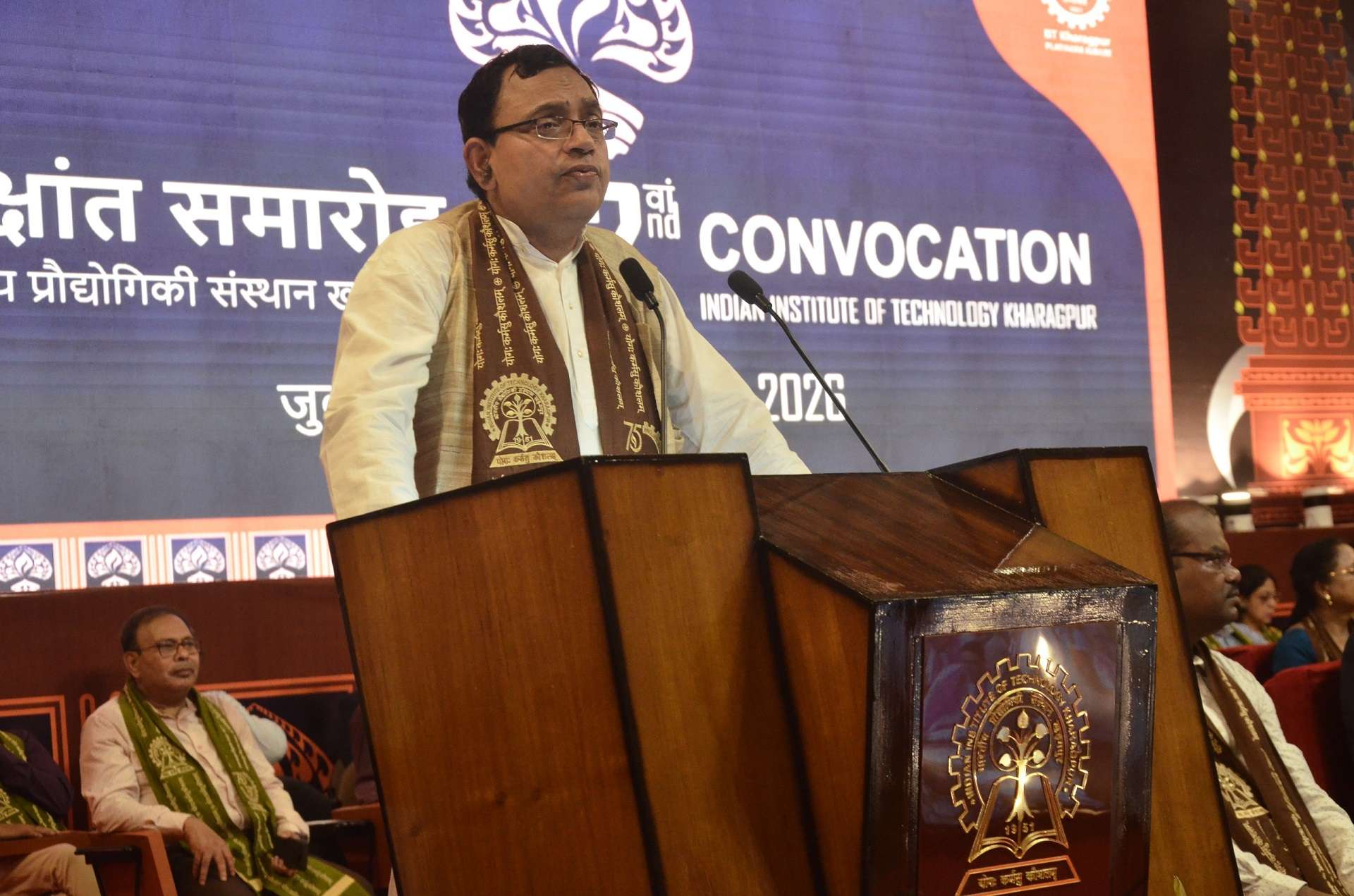
- Foreword
The year 2025–26 marks a defining inflection point in the evolution of IIT Kharagpur. Seventy-five years after becoming the birthplace of technological education in independent India, the Institute has entered a new phase of purposeful transformation—one that seeks not merely to preserve a distinguished legacy but to redefine the role of a modern technological university in an era characterized by unprecedented scientific convergence, artificial intelligence, geopolitical realignments, sustainability imperatives, and rapidly evolving societal expectations.
Universities today confront a fundamentally different world from the one they were originally designed to serve. Artificial intelligence is reshaping the very nature of learning and work. Biotechnology is redefining healthcare. Climate change demands transformative engineering solutions. Digital technologies have dissolved traditional disciplinary boundaries, while innovation ecosystems increasingly determine national competitiveness. Knowledge itself is becoming democratized at an extraordinary pace, compelling universities to ask not merely what they teach, but why they teach, how they create knowledge, and ultimately how that knowledge transforms society.
Against this backdrop, IIT Kharagpur recognized that incremental improvements would no longer suffice. The challenge was not simply to enhance existing systems but to prepare the institution for a future that has not yet fully emerged. The defining question therefore was not how to manage one of India’s finest universities, but how to reimagine it as one of the world’s most consequential universities—an institution whose success is measured not only by scholarly excellence but also by its capacity to create technologies, nurture leaders, influence public policy, empower communities, and address humanity’s most pressing challenges.
This realization became the foundation of the institute’s Platinum Jubilee Vision and institutional roadmap. The guiding philosophy throughout the year has been clear: the next chapter of IIT Kharagpur cannot be built through incremental administrative improvements. It requires institutional reinvention grounded in academic excellence, research leadership, technological innovation and societal purpose. The objective has therefore been to transform IIT Kharagpur from India’s first IIT into India’s most consequential multidisciplinary university, where education, research, innovation, and public service reinforce one another in a continuous cycle of impact.
Accordingly, the past year witnessed a series of interconnected reforms spanning academic restructuring, research facilitation, innovation and entrepreneurship, healthcare, digital transformation, faculty recruitment, student wellbeing, internationalization, institutional governance, and strategic outreach. These initiatives were not conceived as isolated interventions responding to individual challenges. Instead, they were designed as mutually reinforcing components of a comprehensive institutional strategy intended to reposition IIT Kharagpur for leadership in the twenty-first century.
Underlying these initiatives has been a fundamental philosophical shift in how institutional success is defined. Universities have traditionally measured excellence through publications, rankings, patents, placements, and research funding. While these remain essential indicators of academic quality, IIT Kharagpur has consciously broadened its definition of excellence to encompass technology translation, entrepreneurial value creation, healthcare accessibility, community empowerment, policy influence, and national capability building. Scientific discovery is increasingly viewed as the beginning rather than the culmination of institutional impact. Research must, therefore, evolve into innovation; innovation into deployment; and deployment into measurable societal transformation.
This report presents the principal milestones achieved during this remarkable year of institutional renewal. More importantly, it chronicles the emergence of a new institutional philosophy that seeks to position IIT Kharagpur not merely as an internationally respected university but as a globally influential institution capable of shaping the future of education, technology, healthcare, innovation, and public policy. The achievements documented herein should therefore be viewed not as the conclusion of a successful academic year but as the foundations of a much larger transformational journey that will define the Institute’s Platinum Jubilee era.
- A Year of Institutional Transformation
The reporting year represents the beginning of a new institutional chapter in the history of IIT Kharagpur. Although the institute has consistently maintained leadership in engineering education, research and innovation over several decades, the rapidly evolving global landscape demanded a more comprehensive institutional response. The challenge before the institute was not one of preserving excellence, but of accelerating institutional relevance in a world where scientific disciplines are converging, technologies are evolving exponentiall,y and universities are increasingly expected to become engines of innovation, economic growth, and societal transformation.
When the new institutional journey commenced, IIT Kharagpur already possessed extraordinary strengths. It remained India’s largest and most academically diverse IIT, encompassing nineteen schools, numerous interdisciplinary centres and one of the country’s most vibrant research ecosystems. Its alumni occupied leadership positions across academia, industry, entrepreneurship, government, and public life worldwide. Its faculty and students continued to produce internationally recognised scholarship across engineering, science, architecture, law, management, medicine, humanities, and social sciences. However, these formidable strengths coexisted with several structural challenges that required urgent institutional attention.
Faculty vacancies had accumulated over successive recruitment cycles, limiting academic expansion and research growth. Innovation pathways remained fragmented despite the enormous research potential of the Institute. Student wellbeing required stronger institutional mechanisms. International partnerships and alumni networks, though extensive, remained significantly under-leveraged. Administrative processes demanded greater agility and transparency. Most importantly, the institute recognized the need to move beyond excellence measured primarily through academic metrics towards excellence measured through demonstrable societal outcomes.
The defining challenge, therefore, was not the absence of institutional capability but the need to enhance institutional velocity. IIT Kharagpur possessed exceptional intellectual capital, research infrastructure, global credibility, and alumni strength. The imperative was to integrate these assets into a coherent institutional framework capable of delivering transformative outcomes with greater speed, coordination, and purpose.
Accordingly, the institute adopted a mission-oriented strategy structured around five interconnected pillars: People, Purpose, Partnerships, Prosperity, and Positioning. Together these pillars constitute an integrated framework for institutional transformation.
The first pillar, People, recognizes that every lasting institutional achievement begins with empowered students, faculty members, and staff. Accordingly, significant emphasis was placed on strengthening faculty recruitment, revitalizing the postdoctoral ecosystem, enhancing student well-being through the SETU framework, expanding mentoring mechanisms, improving faculty career progression systems and fostering a culture where every stakeholder can realize their fullest potential.
The second pillar, purpose, seeks to redefine research itself. Rather than viewing publications as the sole endpoint of scholarly activity, IIT Kharagpur has increasingly embraced research directed towards solving grand societal challenges. Affordable healthcare technologies, artificial intelligence for public good, sustainable manufacturing, climate resilience, semiconductor technologies, advanced materials, digital public infrastructure, and translational engineering emerged as central institutional priorities during the year.
The third pillar, Partnerships, emphasizes that universities increasingly derive their influence through collaboration rather than isolation. Strategic partnerships with governments, industries, international universities, philanthropic organizations, hospitals and alumni have therefore been expanded to create a distributed ecosystem for research, education, innovation and societal deployment. Simultaneously, the Institute initiated strategic outreach centers, expanded executive education, strengthened international collaborations, and significantly enhanced alumni engagement, thereby extending IIT Kharagpur’s intellectual footprint far beyond its physical campus.
The fourth pillar, prosperity, reflects a deliberate shift towards innovation-led value creation. Technology development is increasingly supported through integrated pathways encompassing intellectual property generation, startup creation, venture funding, technology licensing, industrial partnerships and research park expansion. Faculty entrepreneurship, student startups, translational research and deep-technology commercialization have all become integral components of the Institute’s innovation philosophy, ensuring that discoveries generated within laboratories increasingly translate into products, enterprises, and economic opportunity.
The fifth pillar, positioning, recognizes that institutional reputation must emerge naturally from meaningful impact. Rather than pursuing rankings as an end in themselves, IIT Kharagpur seeks to strengthen its global influence through leadership in research, education, innovation, healthcare, and public policy. Improved international visibility, stronger research networks, expanded global partnerships and strategic academic initiatives have consequently reinforced the institute’s standing among leading technological universities worldwide.
Collectively, these five pillars represent much more than an administrative planning framework. They articulate a comprehensive philosophy for institutional renewal. Throughout the reporting year, every major initiative—whether in faculty recruitment, healthcare, doctoral education, research facilitation, student support, infrastructure, or innovation—was designed to reinforce this integrated vision.
Perhaps the most significant transformation, however, has been philosophical. The Institute has consciously shifted from measuring success solely by academic outputs to evaluating its contribution to societal outcomes. Publishing papers must increasingly lead to solving grand challenges. Departmental excellence must evolve into convergent excellence across disciplines. Research must extend beyond laboratories into communities. Innovation must culminate in deployment rather than merely invention. Institutional ambition must therefore be measured not only by global recognition but also by global relevance.
The journey initiated during the past year should consequently be understood as the transition from institutional excellence to institutional impact; from institutional impact to national leadership; and ultimately from national leadership to sustained global influence. This progression defines the Platinum Jubilee transformation of IIT Kharagpur and provides the strategic foundation upon which the institute will continue building over the coming decade.
- Reimagining Higher Education for the AI Century
During the year, the Institute further deepened implementation of the National Education Policy (NEP) 2020. More than 14,285 students created Academic Bank of Credits (ABC) IDs, of which over 11,275 have already been validated, enabling seamless credit mobility across programmes. Academic flexibility was strengthened through double major enrollment exceeding one hundred students, twenty-five micro-specializations spanning engineering, law, and entrepreneurship, and the availability of minors across all academic units. Every undergraduate student now undertakes a foundational course in artificial intelligence and machine learning. The Senate also approved supernumerary undergraduate admissions through the Sports Excellence Admission (SEA) and Science Olympiad Excellence (ScOpE) schemes beginning in 2026–27, enhancing diversity within the student community. This year, 3 students in the sports excellence category (including the AIR 1 in this category) and 12 students in the Science Olympiad Excellence mode have taken admission.
The rapid advancements in artificial intelligence, autonomous systems, biotechnology, advanced computing, and pervasive digital technologies are fundamentally redefining the nature of higher education. Knowledge is no longer scarce. Information is universally accessible. Routine analytical tasks are increasingly automated, while technological disruption continuously reshapes the skills required by industry, government and society. Universities must therefore prepare graduates not merely for existing professions but for professions, technologies, and societal challenges that have yet to emerge.
IIT Kharagpur has responded to this transformation through one of the most comprehensive academic reforms in its recent history. Rather than viewing education as the transmission of disciplinary knowledge alone, the institute increasingly conceives learning as the cultivation of intellectual adaptability, interdisciplinary competence, technological fluency, ethical responsibility, and lifelong curiosity. This broader educational philosophy aligns closely with the aspirations of the National Education Policy 2020 while simultaneously anticipating future developments in global higher education.
Accordingly, the reporting year witnessed substantial restructuring of undergraduate, postgraduate, and doctoral education. Academic flexibility was significantly enhanced through the operationalization of Double Major programmes, enabling students to pursue complementary areas of specialization across disciplinary boundaries. Simultaneously, reforms to continuous assessment shifted the educational emphasis away from high-stakes examinations towards sustained conceptual understanding, creative problem-solving, project-based learning, and competency development. These reforms encourage students to demonstrate not merely what they remember but also what they can create, analyze, communicate, and implement.
The institute also strengthened learner-centric pathways through the introduction of multiple academic recovery mechanisms, strategically organized supplementary examinations, flexible degree progression, and enhanced mobility opportunities. By removing attendance-linked deregistration and creating structured academic recovery pathways, IIT Kharagpur has reinforced the principle that academic excellence should be accompanied by institutional compassion. Student success is increasingly viewed not as the absence of failure, but as the capacity to recover, adapt, and ultimately thrive.
Beyond undergraduate reforms, the institute undertook an equally significant transformation of doctoral education, recognizing that the future of any great university is ultimately determined not by its infrastructure but by the quality of its researchers. Doctoral scholars constitute the intellectual engine that drives scientific discovery, technological innovation, and future academic leadership. Accordingly, IIT Kharagpur initiated one of the most comprehensive reforms of doctoral education in its recent history to create one of India’s most research-enabling and globally competitive Ph.D. ecosystems.
A fundamental departure from traditional practice has been the transition from calendar-driven admissions towards research-driven talent acquisition. Rolling Ph.D. advertisements, flexible eligibility criteria, unit-based shortlisting, and continuous admissions have enabled the Institute to attract high-quality researchers throughout the year rather than confining opportunities to fixed admission cycles. This approach recognizes an important reality of modern research—that outstanding ideas and exceptional researchers do not emerge according to academic calendars. The reforms, therefore, seek to ensure that administrative processes facilitate rather than constrain scientific excellence. Simultaneously, doctoral scholars have been provided greater flexibility through institute-wide course selection, modular coursework, multiple opportunities for comprehensive examination, transparent continuous evaluation, and significantly streamlined thesis submission procedures. Digitization of thesis processing, faster evaluation mechanisms, and rapid degree award processes collectively represent a substantial improvement in the doctoral experience while preserving the highest standards of academic rigor.
Equally significant has been the Institute’s recognition that doctoral education in the twenty-first century must extend beyond knowledge generation alone. Historically, doctoral programmes across the world have primarily rewarded scholarly publications and theoretical advances. While these remain indispensable foundations of research, the institute has consciously expanded the definition of doctoral success to include prototype development, technology validation, intellectual property generation, entrepreneurship, and societal deployment. This philosophy has culminated in the introduction of India’s first structured innovation and technology development doctoral pathway, complementing the conventional Ph.D. by recognizing technology readiness, industrial collaboration, product development, and startup creation as legitimate scholarly outcomes. Rather than replacing the traditional doctoral program, this initiative broadens its scope, enabling research scholars to pursue multiple pathways through which scientific knowledge may create societal value. In doing so, IIT Kharagpur has sought to redefine doctoral education for an era where innovation increasingly occurs at the intersection of science, engineering, entrepreneurship, and public purpose.
These reforms have been complemented by substantial investments in research infrastructure supporting doctoral scholars. Expanded cloud-based GPU resources, institute-wide artificial intelligence platforms, advanced research software ecosystems, professional editorial workflows, and enhanced digital research tools now provide scholars with access to globally competitive computational resources. Simultaneously, policies supporting research continuity through institute-wide postdoctoral fellowships, improved leave provisions, enhanced teaching assistantships during the terminal stages of doctoral work,, and expanded international mobility opportunities reinforce the institute’s commitment to creating an environment in which researchers can pursue ambitious scientific problems without unnecessary administrative impediments.
The transformation of academic programmes has also reflected the growing convergence of scientific disciplines. Many of the defining challenges of the coming decades—including precision healthcare, sustainable energy, autonomous systems, climate resilience, advanced manufacturing, and intelligent infrastructure—cannot be addressed within traditional disciplinary boundaries. They require professionals capable of integrating engineering with medicine, biology with artificial intelligence, materials science with computing, and technology with public policy. Recognizing this emerging reality, IIT Kharagpur has consciously begun transitioning from discipline-centric education towards convergence-centric education.
A landmark milestone in this direction has been the establishment of the Faculty of Integrated Health Science and Technology (FIHST), the launch of the undergraduate program in biomedical engineering, and the proposition of a postgraduate degree program in medicine. These initiatives represent far more than the introduction of a new academic program. They embody a new educational philosophy in which engineers are trained to understand clinical challenges, clinicians engage with technological innovation, and scientists collaborate seamlessly across disciplinary boundaries. By integrating engineering, medicine, biology, artificial intelligence, materials science, and public health within a common academic ecosystem, the institute has laid the foundation for educating a new generation of professionals capable of transforming healthcare through interdisciplinary innovation. This initiative also strengthens IIT Kharagpur’s long-standing leadership in engineering-medicine convergence and positions the institute to emerge as one of the world’s leading centers for translational health technologies.
Parallel efforts have focused on democratizing access to IIT-quality education beyond the physical boundaries of the campus. During the reporting year, the institute initiated a new generation of digitally enabled academic programmes, including online degree pathways in economics, FinTech, artificial intelligence, and data science education in Indian languages; expanded executive education offerings; and initiated technology-enabled lifelong learning initiatives. These programmes seek not merely to increase enrollment but to broaden access to high-quality technological education for working professionals, learners from diverse linguistic backgrounds, and students who may not have access to conventional residential education. Such initiatives are aligned with the Institute’s broader vision of evolving from a campus-bound university into a distributed knowledge network capable of serving learners throughout their professional lives.
At the undergraduate level, curricular reforms have been guided by the conviction that future graduates must combine deep disciplinary competence with intellectual breadth, entrepreneurial thinking, and adaptability. Double-Major programmes, strengthened interdisciplinary pathways, unified integrated dual-degree structures, and enhanced student mobility frameworks collectively enable students to design educational journeys that reflect both their personal aspirations and the rapidly changing demands of the global knowledge economy. The emphasis has progressively shifted from rigid curricular structures towards personalized learning pathways, allowing students greater freedom to integrate diverse fields of knowledge while maintaining the academic rigor that has long distinguished IIT Kharagpur.
Equally transformative has been the evolution of assessment philosophy. Conventional examination systems often reward information retention rather than intellectual capability. The Institute has therefore strengthened continuous assessment, project-based evaluation, presentations, portfolios, and other competency-based approaches that encourage creativity, communication, teamwork, and innovation. The objective is not simply to evaluate what students know, but to cultivate their ability to analyze complex problems, develop practical solutions, and communicate ideas effectively in multidisciplinary environments. Such reforms are particularly important in an era where artificial intelligence increasingly automates routine analytical tasks while elevating the importance of creativity, judgment, ethical reasoning, and systems thinking.
These academic transformations collectively reflect a broader institutional conviction that the purpose of higher education must itself evolve. Universities can no longer be viewed solely as institutions that confer degrees or produce technically competent graduates. They must become platforms for continuous learning, interdisciplinary discovery, innovation, leadership development, and societal transformation. Accordingly, IIT Kharagpur has begun redefining educational excellence not merely in terms of academic achievement but in terms of the capability of its graduates to create technologies, establish enterprises, influence public policy, advance scientific frontiers, and address the grand challenges confronting humanity.
The educational reforms initiated during the reporting year, therefore, extend well beyond curriculum redesign. They represent a comprehensive reimagining of what an IIT education should mean in the age of artificial intelligence. The institute seeks to nurture graduates who possess not only deep technical knowledge but also intellectual agility, ethical responsibility, entrepreneurial confidence, interdisciplinary fluency, and an unwavering commitment to creating positive societal impact. In doing so, IIT Kharagpur is laying the educational foundations for a future in which learning is no longer defined by disciplinary boundaries or the duration of a degree program but by the lifelong capacity to innovate, adapt, and lead in an increasingly complex and interconnected world.
- Human Capital: Faculty, Students and Staff
The graduating cohort increased from 3,736 in 2025 to 3,918 in 2026, while the number of graduating women students increased from 821 to 919, reflecting the institute’s continuing commitment to greater participation and diversity. Particularly notable growth was observed in artificial intelligence, management, and Intellectual Property Law programmes, demonstrating the increasing demand for emerging and interdisciplinary domains.
No institution can rise above the quality of its people. Buildings, laboratories, and technology create capacity, but it is people who create excellence, shape culture, and determine institutional destiny. Accordingly, one of the foremost priorities during the reporting year was to strengthen IIT Kharagpur’s most valuable asset—its human capital. The institute recognized that sustained leadership in education, research, and innovation requires an ecosystem in which outstanding faculty, motivated students, and empowered staff can collectively flourish within a culture of trust, transparency, inclusion, and high performance.
When the present phase of institutional transformation commenced, IIT Kharagpur already possessed one of the country’s largest and most accomplished academic communities. However, successive recruitment delays had resulted in significant faculty vacancies across several academic units, limiting opportunities for academic expansion, interdisciplinary research, and student mentorship. The objective during the past year was therefore not merely to recruit additional faculty but to restore institutional momentum by creating a robust academic talent pipeline extending from students to globally distinguished scholars.
The Institute consequently undertook one of the most comprehensive faculty recruitment drives in its history. From October 2025 to the middle of June 2026, 39 selection committees were convened, resulting in the selection of 249 faculty members across all levels, including 50 professors, 55associate professors, and 144 assistant professors, of whom 151 represented fresh recruitments. Recruitment cycles pending from as early as 2022 were systematically processed, substantially reducing long-standing vacancies across major academic units. Simultaneously, a special faculty recruitment drive was initiated to address strategic academic priorities, while a rolling recruitment mechanism was introduced to ensure continuous attraction of outstanding talent rather than reliance on periodic recruitment cycles. These initiatives have significantly strengthened the Institute’s academic capacity while establishing a more agile and responsive recruitment framework for the future.
Recognizing that the vitality of a research university depends equally upon its postdoctoral community, IIT Kharagpur also initiated a transformational expansion of its postdoctoral ecosystem. Historically underutilized relative to the institute’s research potential, the postdoctoral program has now been repositioned as a critical component of the academic talent pyramid. During the reporting year, the Board of Governors approved the institute’s first comprehensive Postdoctoral Fellowship Policy, supported by a transparent rolling advertisement system, structured selection procedures and clearly defined pathways for both internal and external candidates. Since its launch in December 2025, the programme has generated unprecedented interest, with more than 450 offers issued and over 339 postdoctoral fellows joining the institute. This constitutes the largest expansion of postdoctoral research capacity in IIT Kharagpur’s history and substantially enhances the institute’s ability to undertake ambitious interdisciplinary research programmes while nurturing future faculty leaders.
Complementing faculty recruitment has been a comprehensive effort to attract distinguished academic leadership from India and abroad. For the first time, IIT Kharagpur established a transparent and board-approved framework governing the appointment of emeritus professors, visiting professors, adjunct professors, and distinguished visiting professors. More than 25 distinguished academic positions have already been filled under this framework, enabling internationally renowned scholars and accomplished professionals to contribute through advanced teaching, collaborative research, joint supervision of students and strategic institutional mentoring. Beyond strengthening academic quality, this initiative reinforces IIT Kharagpur’s position in global scholarly networks while enriching the intellectual environment for students and young faculty alike.
The Institute has simultaneously devoted considerable attention to faculty career progression and professional development. Transparent and predictable frameworks governing confirmation, promotion, pay-level upgradation, and related service matters have significantly reduced uncertainty while strengthening institutional trust. More than one hundred long-pending confirmation and career progression cases were processed during the reporting year, reflecting the institute’s commitment to fairness, accountability, and timely recognition of academic achievement. Likewise, several long-vacant endowment chairs were revitalized through streamlined evaluation and appointment procedures, ensuring that prestigious academic positions once again serve as catalysts for leadership in teaching, research, and institutional development. These reforms collectively demonstrate an institutional philosophy that values academic excellence not only through recruitment but also through sustained recognition, support, and professional growth.
Cumulatively, these initiatives signify the deliberate construction of a complete academic talent pyramid extending from undergraduate students and doctoral scholars through postdoctoral fellows, early-career faculty, senior professors, distinguished visitors, and globally recognized academic leaders. Such an integrated ecosystem is essential for sustaining excellence across successive generations and for ensuring that institutional knowledge, mentorship, and scholarly leadership continue to evolve dynamically.
While strengthening faculty remained a central priority, the Institute also reaffirmed that students constitute the heart of every institutional transformation. The reporting year witnessed a profound evolution in the philosophy governing student development. Excellence is no longer viewed solely in terms of academic achievement or placement statistics. Rather, the institute increasingly recognizes that universities must create environments where students can develop intellectually, emotionally, socially, and professionally while remaining resilient in the face of rapidly changing technological and societal landscapes.
This philosophy found expression through the comprehensive implementation of the SETU Wellbeing Framework, one of the most significant institutional interventions undertaken during the reporting year. Designed to foster an integrated culture of well-being, the framework combines preventive care, early identification of distress, professional counselling, peer mentoring, digital technologies and community support within a unified institutional architecture. Rather than responding reactively to crises, SETU seeks to identify emerging challenges at an early stage through data-informed monitoring, structured mentoring, and timely interventions, thereby promoting a culture in which seeking support is recognized as a sign of strength rather than vulnerability.
The well-being ecosystem has been substantially strengthened through the expansion of counseling services, enhancement of psychiatric support, deployment of AI-enabled digital companions and significant increases in professional mental health capacity. The number of counselors has been doubled, online counseling services have been expanded, and the institute has introduced technology-enabled mechanisms for continuous engagement with students. Integrated healthcare support through the B. C. Roy Technology Hospital further ensures that psychological wellbeing is complemented by accessible medical services, creating a holistic framework that supports the overall development of students.
Beyond professional support systems, IIT Kharagpur has invested heavily in strengthening the culture of mentorship. The MITRA (Mentorship Initiative for Undergraduate Wellbeing) program now connects more than 8,500 undergraduate students with over 800 faculty mentors through structured monthly interactions. Unlike traditional advisory systems focused primarily on academic evaluation, MITRA emphasizes guidance, encouragement, and holistic development, enabling faculty members to serve as trusted mentors throughout the students’ academic journeys. Complementing this initiative, the SAARTHI program mobilizes senior students to assist newcomers in their academic, residential, and social transition, thereby fostering a supportive community in which students actively contribute to one another’s success. Together, these programmes reinforce the institute’s conviction that institutional well-being is ultimately built upon relationships of trust, empathy, and shared responsibility.
Academic support mechanisms have also undergone significant transformation. Recognising that occasional setbacks are an inevitable part of intellectual growth, the institute has introduced multiple structured recovery pathways, supplementary examinations, flexible academic progression, and enhanced opportunities for re-entry without compromising academic standards. Early-warning systems integrated within the enterprise resource planning platform now enable faculty advisors to identify declining academic performance, persistent backlogs, and other indicators of distress before they escalate into more serious challenges. Such interventions reflect a shift from punitive academic administration towards a supportive educational philosophy that seeks to intervene before failure occurs rather than merely responding afterwards.
Career development has similarly been broadened beyond conventional placement activities. Departmental Placement and Internship Cells have been established across academic units to provide discipline-specific career mentoring, facilitate stronger engagement with industry and alumni, and expand internship opportunities tailored to specialized fields of study. Students unable to secure conventional industrial internships have been provided alternative opportunities through research projects, innovation assignments, and startup-linked experiential learning supported by the Sponsored Research and Industrial Consultancy ecosystem. These initiatives reinforce the principle that every student should have access to meaningful experiential learning irrespective of fluctuations in external employment markets.
The reporting year also witnessed significant efforts to strengthen inclusivity, diversity, and gender-responsive institutional development. Women-led innovation, entrepreneurship, healthcare, leadership development, and employability have emerged as strategic institutional priorities. Dedicated programmes supporting women entrepreneurs, rural women leaders, AI-enabled community empowerment, allied health workforce development, and technology-driven healthcare for adolescent girls and women faculty research collectively reflect IIT Kharagpur’s broader commitment to ensuring that technological progress contributes meaningfully to inclusive societal development. Rather than treating gender equity as an isolated initiative, the institute increasingly views it as an integral component of academic excellence, innovation, and national development.
Institutional transformation, however, extends beyond faculty and students alone. Administrative staff constitute the backbone of every large university, enabling the efficient functioning of academic programmes, research activities, financial management, infrastructure development, and student services. Throughout the reporting year, sustained emphasis was therefore placed on improving administrative efficiency through digitisation, process simplification, capacity enhancement, and greater decentralization of decision-making. Investments in enterprise resource planning systems, digital governance platforms, and transparent administrative procedures have progressively reduced procedural delays while enabling staff members to contribute more effectively to institutional objectives.
Collectively, the initiatives undertaken during the reporting year represent a comprehensive reimagining of human resource development at IIT Kharagpur. The Institute has consciously moved beyond viewing recruitment, mentoring, wellbeing, and career progression as isolated administrative functions. Instead, they are increasingly understood as interconnected elements of a broader ecosystem designed to nurture talent across every stage of the academic journey. By investing simultaneously in faculty excellence, research leadership, student wellbeing, mentorship, inclusivity and administrative capacity, IIT Kharagpur has laid the foundations of a vibrant academic community capable of sustaining institutional excellence for decades to come.
- Research Excellence and Research Facilitation
The Institute also achieved a major milestone in research training. During 2025–26, 524 Ph.D. and 31 M.S. degrees were awarded, representing substantial growth over the previous year. Expedited thesis evaluation, digital processing workflows,, and the introduction of an innovation-centric Ph.D. pathway have significantly strengthened doctoral education while preserving academic rigour. The Central Research Facility was further enhanced through the addition of several state-of-the-art instruments, including high-resolution transmission electron microscopy, Field Emission Scanning Electron Microscopy, Multi-Mode Atomic Force Microscopy, Analytical TEM, Super Resolution Microscopy and advanced battery-materials characterization facilities. The new reforms in the thesis evaluation system have also resulted in nearly a 40% reduction in the average thesis evaluation time, from about 4 months to 2.5 months, thereby enabling faster award of degrees without compromising academic quality. The first batch of IIT Kharagpur-University of Manchester Joint Ph.D. degree recipients are also getting their degrees in this graduation ceremony.
Research has always constituted the intellectual foundation of IIT Kharagpur. Yet, the rapidly evolving global innovation landscape increasingly demands that universities move beyond traditional measures of scholarly productivity towards a more comprehensive model in which scientific discovery, technological innovation, entrepreneurship, and societal deployment reinforce one another. During the reporting year, IIT Kharagpur therefore undertook a deliberate transformation of its research ecosystem—not by diminishing the importance of fundamental science, but by strengthening the pathways through which fundamental discoveries translate into technological leadership, industrial competitiveness, and public good.
The Institute’s research enterprise continued to expand significantly during the year. A total of 336 new sponsored research projects with sanctioned funding of approximately ₹359 crore were secured across engineering, science, medicine, architecture, management, law, humanities, and social sciences. Simultaneously, 275 industrial consultancy projects amounting to nearly ₹55 crore further strengthened engagement with industry and government agencies. Collectively, more than 1,400 sponsored research and consultancy projects remained active during the reporting year, reflecting both the extraordinary breadth of disciplinary expertise available within the Institute and the growing scale of interdisciplinary collaboration across academic units.
However, the most significant developments of the year extended well beyond research funding or publication metrics. A fundamental philosophical shift is reshaping the Institute’s research agenda. Traditionally, universities have measured research excellence primarily through publications, citations,, and patents. IIT Kharagpur increasingly views these outputs as essential milestones within a broader continuum whose ultimate objective is societal transformation. Scientific knowledge is therefore expected to progress from discovery to intellectual property, from intellectual property to technology development, from technology development to entrepreneurship and industrial deployment, and ultimately to measurable improvements in quality of life. This transition from research productivity to research impact has become one of the defining characteristics of the Institute’s transformation and sets the stage for the next phase of the report, which details the extensive reforms undertaken to build a modern, researcher-centric ecosystem supporting this vision.
- Innovation, Entrepreneurship and Technology Translation
The defining characteristic of a great technological university is no longer measured solely by the quality of its scientific discoveries but increasingly by its ability to translate those discoveries into technologies that improve lives, strengthen industry, create enterprises and contribute to national competitiveness. Universities are expected not merely to generate knowledge but to serve as engines of innovation, catalysts of entrepreneurship and partners in economic transformation. Recognizing this evolving global paradigm, IIT Kharagpur has undertaken one of the most comprehensive transformations of its innovation ecosystem during the reporting year, systematically creating institutional mechanisms that enable research to progress seamlessly from laboratory discovery to societal deployment.
Historically, IIT Kharagpur has nurtured an outstanding culture of scientific inquiry, intellectual property generation, and entrepreneurial talent. However, as with many research-intensive universities, several components of the innovation ecosystem evolved independently over time. Incubation centers, startup support mechanisms, intellectual property management, industry partnerships, venture capital engagement and technology licensing often functioned through parallel pathways. While these initiatives generated considerable success individually, the institute recognized that substantially greater impact could be achieved by integrating them within a unified institutional architecture. The reporting year, therefore, witnessed a decisive transition from fragmented innovation activities towards a coordinated research-to-market ecosystem capable of supporting every stage of the innovation lifecycle.
A major milestone in this direction has been the establishment of a unified innovation governance framework that brings together incubation entities, technology translation mechanisms, entrepreneurship support systems, and industrial partnerships under a common institutional strategy. Standardized due diligence procedures, transparent governance structures and clearly articulated commercialization pathways have significantly strengthened the consistency and scalability of innovation management. Rather than evaluating inventions solely through academic merit, the institute increasingly examines their technological readiness, market potential, regulatory requirements, and societal value, thereby ensuring that promising technologies receive structured support throughout their developmental journey.
Central to this transformation is the adoption of a Technology Readiness Level (TRL)-based innovation philosophy. Research is now viewed as progressing through successive stages of discovery, validation, prototyping, commercialization, and deployment. Institutional support has consequently been redesigned to address the distinct needs associated with each stage of technology development. Early-stage scientific discoveries receive support through sponsored research and seed grants; prototype development is facilitated through shared research facilities and translational funding; promising technologies are connected to incubation and acceleration platforms; and mature innovations receive structured assistance in venture creation, licensing, industrial partnerships, and market deployment. This integrated framework ensures that scientific discoveries are no longer constrained by discontinuities between research and commercialization but instead evolve through a continuous institutional pipeline.
The transformation of entrepreneurship support has been equally significant. The institute has consciously shifted from promoting startup creation as an isolated activity towards building a comprehensive entrepreneurial ecosystem that supports ideation, validation, funding, mentorship, regulatory guidance, and long-term enterprise growth. Faculty members and students are increasingly encouraged to view entrepreneurship as a natural extension of research rather than an activity external to academic life. Revised institutional policies now provide transparent mechanisms governing faculty participation in startups, equity management, technology licensing, and conflict-of-interest management, thereby removing longstanding procedural ambiguities while preserving the highest standards of institutional integrity. Student entrepreneurs similarly benefit from simplified startup creation processes, dedicated seed funding mechanisms, subsidised incubation facilities, and structured access to mentoring and acceleration programmes. These reforms collectively lower barriers to entrepreneurial participation while strengthening the quality and sustainability of emerging ventures.
An important dimension of the Institute’s entrepreneurial strategy has been the growing engagement with venture capital and external investment ecosystems. During the reporting year, IIT Kharagpur initiated one of the country’s first structured institutional frameworks governing strategic venture capital partnerships for deep-technology innovation. Dedicated mechanisms for techno-commercial evaluation, transparent investor engagement, and co-investment strategies have been developed to facilitate responsible mobilization of growth capital for high-potential technologies emerging from the Institute. Rather than depending exclusively upon grants or public funding, the innovation ecosystem increasingly seeks to leverage private investment for scaling technologies capable of generating significant societal and economic impact. This approach reflects international best practices while recognising the distinctive needs of deep science and engineering innovations that require sustained long-term investment before commercial maturity.
Intellectual property management has simultaneously undergone a comprehensive transformation. The institute has increasingly recognized that patents represent not merely legal protections but strategic institutional assets capable of enabling technology transfer, industrial collaboration, and entrepreneurial growth. Accordingly, new institutional mechanisms have been introduced to strengthen every stage of the intellectual property lifecycle. Mandatory intellectual property screening before thesis submission, pre-project patentability assessment, AI-assisted prior-art analysis, rapid patentability review mechanisms, comprehensive patent drafting support, and dedicated intellectual property literacy programmes together create an ecosystem in which innovation protection becomes an integral component of academic research rather than an afterthought. Simultaneously, greater emphasis has been placed on international patent filings, industrial design protection and global intellectual property strategies, reflecting the institute’s ambition to position its innovations within international technology markets. The Platinum Jubilee Intellectual Property Mission, with ambitious targets for patent filings, technology transfers, and global IP hubs, further reinforces this strategic direction.
Innovation, however, derives its greatest value when translated into societal benefit. Accordingly, IIT Kharagpur has consciously expanded its emphasis on technology commercialization. Rather than measuring success solely by the number of patents generated, increasing attention is being devoted to licensing agreements, startup formation, industrial deployment, product development, and technology adoption by public agencies. Dedicated commercialization pathways now connect academic researchers with industry partners, regulatory experts, manufacturing ecosystems, and investors, thereby significantly reducing the time required for promising technologies to reach real-world applications. This transformation reflects a broader institutional conviction that research achieves its highest purpose only when translated into accessible solutions addressing genuine societal needs.
The Institute’s Research Park continues to play an increasingly strategic role within this evolving ecosystem. Rather than functioning solely as an incubation facility, the Research Park is progressively emerging as an integrated innovation district where industry, startups, researchers, and investors collaborate throughout the technology development lifecycle. Shared laboratories, advanced prototyping facilities, corporate research centres, startup workspaces, and venture engagement platforms collectively create an environment in which scientific discovery, product development and industrial deployment occur in close proximity. Priority sectors including digital health, artificial intelligence, robotics, advanced manufacturing, biotechnology, cybersecurity, sensing technologies, sustainable materials, and future mobility have received particular attention during the reporting year, reflecting national priorities as well as the Institute’s distinctive areas of expertise.
A particularly noteworthy institutional development has been the conceptualization of IIT Kharagpur as an integrated knowledge enterprise extending beyond the traditional boundaries of the campus. Section-8 companies, special purpose vehicles, hospitals, outreach centers, research parks, executive education platforms, and innovation hubs are increasingly viewed as complementary institutional mechanisms that enable the translation of knowledge into societal value. Each platform performs a distinct but interconnected role within a larger ecosystem encompassing education, research, innovation, entrepreneurship and public service. This distributed institutional architecture enhances organizational agility, facilitates partnerships with government and industry, accelerates commercialization, and creates sustainable mechanisms for long-term institutional growth while preserving the academic values that define IIT Kharagpur.
The transformation of innovation has also influenced the institute’s broader educational philosophy. Students are increasingly encouraged to view entrepreneurship not merely as a career option but as a mode of problem-solving. Academic programmes, doctoral reforms, interdisciplinary projects, and industry engagement are progressively aligned with the objective of cultivating graduates capable of translating scientific ideas into technologies, enterprises and public policy solutions. Innovation, therefore, becomes embedded within the educational experience itself rather than remaining confined to specialized entrepreneurship programmes.
Perhaps the most significant outcome of these reforms is the emergence of a new institutional mindset. IIT Kharagpur is progressively transitioning from an institution that primarily creates technology to one that systematically deploys technology at scale. The emphasis is shifting from invention to implementation, from isolated innovations to integrated ecosystems and from technology generation to technology-led societal transformation. Such an approach positions the Institute not only as one of India’s leading centers of scientific excellence but also as a nationally significant catalyst for innovation-driven economic development.
Looking ahead, the Institute aspires to establish one of Asia’s most comprehensive deep-technology innovation ecosystems. By integrating scientific excellence, entrepreneurial ambition, industrial collaboration, venture capital, intellectual property management, and societal deployment within a single institutional framework, IIT Kharagpur seeks to demonstrate how a leading university can simultaneously advance knowledge, create economic opportunity, and address national priorities. Innovation, in this evolving institutional philosophy, is therefore no longer regarded as an auxiliary function of research. It has become one of the principal instruments through which the institute fulfills its broader mission of national development and global leadership.
- Building a Convergent Healthcare Ecosystem
Among all the transformations undertaken during the reporting year, perhaps none better exemplifies IIT Kharagpur’s evolving institutional philosophy than the emergence of healthcare as a major strategic pillar of its long-term vision. While the institute has long enjoyed international recognition for excellence in engineering, technology and interdisciplinary research, the convergence of engineering with medicine, biology, artificial intelligence, and public health has opened unprecedented opportunities to redefine the role of a technological university in advancing human well-being. IIT Kharagpur has therefore embarked upon the ambitious task of creating one of the world’s most integrated engineering–medicine ecosystems, where education, research, innovation, clinical practice, and community engagement reinforce one another in a continuous cycle of discovery and societal impact.
The Institute’s healthcare strategy extends well beyond the establishment of medical infrastructure. It seeks to create a comprehensive ecosystem spanning scientific discovery, medical education, translational research, technology development, clinical validation, healthcare delivery, and public health implementation. Rather than functioning as isolated entities, academic departments, hospitals, diagnostic laboratories, research centers, community outreach programmes and innovation platforms increasingly operate within a unified institutional architecture designed to accelerate affordable, technology-enabled healthcare solutions for India and the Global South. This integrated approach distinguishes IIT Kharagpur from conventional models of medical education and positions the institute at the forefront of engineering-driven healthcare transformation.
A defining milestone during the reporting year has been the establishment of the Faculty of Integrated Health Science and Technology, bringing together engineering, medicine, artificial intelligence, biology, materials science, and public health within a common academic framework. Complementing this initiative has been the launch of the undergraduate programme in biomedical engineering and the expansion of the Department of Medical Science and Technology, reflecting the institute’s conviction that the healthcare professionals of the future must be capable of integrating scientific discovery with engineering innovation and clinical application. These developments provide the academic foundation for a new generation of biomedical engineers, clinician-scientists, medical technologists, and healthcare innovators equipped to address increasingly complex healthcare challenges.
The institute has simultaneously strengthened its clinical ecosystem through the continued development of the B. C. Roy Technology Hospital, the B. C. Roy Medical School, and the Dr. Syama Prasad Mookerjee Superspeciality Hospital. Collectively, these institutions are envisioned not merely as healthcare facilities but as living laboratories supporting clinical research, technology validation, medical education and translational innovation. The proposed public-private partnership model for the superspecialty hospital seeks to combine operational excellence with academic leadership, ensuring that clinical services, research and education evolve synergistically while the institute retains strategic academic direction. Together, these initiatives lay the foundations of a comprehensive academic medical ecosystem where laboratory discoveries can be evaluated, refined, and ultimately deployed in real clinical settings.
A particularly distinctive feature of IIT Kharagpur’s healthcare vision is its emphasis on affordable technologies for underserved populations. The institute has consciously prioritised innovations capable of addressing India’s pressing public health challenges through low-cost diagnostics, digital health platforms, artificial intelligence-assisted decision support, portable medical devices, and community-based healthcare models. Flagship initiatives such as AI-enabled anaemia screening, tuberculosis diagnostics, oral cancer detection, women’s health technologies, digital health records, and point-of-care diagnostic systems exemplify this philosophy. Rather than developing technologies solely for tertiary-care hospitals, the institute increasingly focuses on solutions that can be deployed in villages, schools, primary healthcare centers, and underserved communities, thereby extending the benefits of advanced engineering to populations traditionally excluded from sophisticated healthcare infrastructure.
Equally transformative has been the integration of healthcare innovation with community engagement. Rural diagnostic networks, school-based health screening programmes, community health worker training, AI-enabled preventive healthcare, longitudinal digital health monitoring, and allied health workforce development collectively demonstrate the Institute’s commitment to extending healthcare beyond hospitals into the communities that need it most. The objective is not merely to treat disease but to create continuous community-centered health ecosystems that emphasise prevention, early diagnosis and technology-enabled public health. Such initiatives reinforce IIT Kharagpur’s broader institutional philosophy that scientific excellence achieves its highest value when translated into measurable improvements in human well-being.
The convergence of education, research, innovation, clinical practice, and societal deployment within a unified healthcare ecosystem represents one of the most ambitious institutional transformations currently underway within the Indian higher education landscape. It reflects the Institute’s conviction that the future of healthcare will increasingly depend upon interdisciplinary collaboration among engineers, clinicians, scientists, entrepreneurs, and policymakers. By systematically creating the institutional architecture necessary to support such convergence, IIT Kharagpur is laying the foundations for a globally distinctive model of technology-enabled healthcare that combines scientific excellence with affordability, accessibility, and societal impact.
As this ecosystem continues to mature, it is expected not only to strengthen India’s capabilities in biomedical innovation but also to establish IIT Kharagpur as an internationally recognized leader in engineering–medicine convergence. The healthcare initiatives undertaken during the reporting year therefore represent much more than institutional expansion. They embody a new vision of how a technological university can contribute directly to improving lives, reducing healthcare inequities, and shaping the future of medicine through the responsible application of science, engineering, and innovation.
- Outreach, Executive Education and the Extended Campus
The influence of a great university can no longer be measured solely by the quality of education delivered within its physical campus. In an era defined by digital connectivity, lifelong learning, distributed innovation, and global collaboration, universities must evolve into knowledge networks that transcend geographical boundaries. Their responsibility extends beyond educating enrolled students to strengthening institutions, industries, governments, and communities through continuous dissemination of knowledge, technology, and leadership. Guided by this philosophy, IIT Kharagpur undertook a fundamental transformation of its outreach ecosystem during the reporting year, redefining outreach from a collection of extension activities into a strategic institutional mission for national capacity building and global engagement.
The Institute has consciously embraced the vision of becoming a distributed university whose intellectual influence extends well beyond its academic boundaries. Outreach is therefore no longer perceived as an auxiliary function of the institute but as a strategic instrument for democratizing excellence, strengthening higher education ecosystems, and enabling lifelong learning. This philosophy has informed the design of a comprehensive outreach architecture integrating executive education, online learning, institutional partnerships, strategic outreach centers, alumni engagement, and digital knowledge platforms into a coherent framework capable of amplifying IIT Kharagpur’s contribution to national development.
A landmark initiative in this direction has been the conceptualization of the Outreach Course Network (OCN), an innovative framework designed to extend IIT-quality education to partner institutions across the country. Unlike conventional online courses that primarily serve individual learners, the Outreach Course Network has been conceived as an institution-to-institution academic partnership model, enabling structured learning under faculty mentorship, academic supervision, and credit-compatible curricula. During the reporting year, twenty-three micro-specializations involving more than fifteen academic units were developed, laying the foundation for a scalable national academic network that will progressively connect hundreds of higher educational institutions with IIT Kharagpur’s academic ecosystem. This initiative represents a significant shift from passive knowledge dissemination towards active institutional capacity building, reflecting the Institute’s conviction that national educational transformation requires strengthening entire academic ecosystems rather than isolated learners.
Complementing these initiatives has been the rapid expansion of executive education as a major pillar of institutional outreach. The changing technological landscape increasingly demands continuous professional upskilling, particularly in areas such as artificial intelligence, digital transformation, semiconductor technologies, and technology leadership. Recognizing this need, IIT Kharagpur substantially expanded its portfolio of executive programmes during the reporting year through strategic partnerships with leading educational technology organizations and industry collaborators. New programmes addressing Digital Convergence and physical AI, AI-augmented studies on mining and geospatial sciences, and other emerging technologies have been launched to support working professionals seeking to remain competitive in rapidly evolving knowledge economies. These programmes combine academic rigor with industry relevance, thereby strengthening IIT Kharagpur’s contribution to lifelong professional education while creating new pathways for sustained engagement with industry and society.
The institute has simultaneously accelerated the development of online degree programmes that extend the reach of IIT-quality education beyond conventional residential education. Proposed undergraduate programmes in economics, financial technology, artificial intelligence, data science education in Indian regional languages, online postgraduate pathways, and enhanced integration with national digital learning platforms collectively reflect a broader commitment to democratizing access to high-quality technological education. Such initiatives not only expand educational opportunities but also contribute directly to national priorities relating to digital inclusion, multilingual education, and workforce development. They reaffirm the Institute’s belief that excellence in education must increasingly be measured by accessibility as well as academic quality.
One of the most visionary institutional developments during the reporting year has been the establishment of the Strategic Outreach Centre (SOC) framework. Conceived as a network of distributed institutional nodes rather than satellite campuses, these centers seek to connect IIT Kharagpur with global centers of innovation, research, industry, and alumni engagement. The first international Strategic Outreach Centre at Houston marks the beginning of this ambitious initiative, with additional centres envisioned across key global innovation hubs. These centers are expected to facilitate collaborative research, executive education, startup acceleration, industrial partnerships, policy dialogues, alumni engagement and technology commercialization while simultaneously strengthening IIT Kharagpur’s international visibility and strategic influence. Rather than replicating conventional overseas campuses, the strategic outreach centers represent flexible institutional platforms capable of responding dynamically to regional opportunities and global partnerships.
The outreach vision extends equally to India through the establishment of domestic strategic outreach centers anchored around alumni chapters, regional innovation ecosystems and academic partnerships. These centres are expected to strengthen collaboration with state universities, engineering colleges, industries, and governmental organizations while facilitating executive education, faculty development, technology transfer, and institutional mentoring. Such distributed engagement significantly broadens the Institute’s capacity to contribute to national educational transformation and regional innovation without the need for large-scale physical expansion.
Outreach has also become a critical instrument for strengthening India’s higher education ecosystem. Through structured institutional mentoring, curriculum development, faculty training, and collaborative academic programmes, IIT Kharagpur increasingly seeks to support Tier-II and Tier-III institutions in enhancing educational quality and research capability. This philosophy aligns closely with the institute’s broader commitment to national capacity building, recognizing that India’s long-term competitiveness depends not only upon strengthening elite institutions but also upon systematically elevating the quality of higher education across the country.
Digital infrastructure has emerged as an essential enabler of this transformation. Investments in smart classrooms, digital studios, podcast facilities, online learning platforms, and content creation capabilities have substantially enhanced the institute’s ability to deliver high-quality educational experiences across geographical boundaries. The establishment of dedicated digital outreach infrastructure ensures that academic excellence can be effectively transmitted through technologically enabled learning environments while preserving the interactive and collaborative character of IIT education.
An equally important dimension of the Institute’s outreach philosophy has been the integration of alumni as strategic partners in institutional development. Alumni engagement is progressively evolving from ceremonial association towards active participation in academic mentoring, entrepreneurship, fundraising, international partnerships, outreach initiatives, and institutional governance. Through structured engagement mechanisms, alumni increasingly contribute not only as ambassadors of the Institute but also as collaborators in shaping its future trajectory. This transformation recognises the extraordinary intellectual, professional, and philanthropic capital represented by IIT Kharagpur’s global alumni community and seeks to mobilize this resource in support of the institute’s long-term strategic objectives.
Collectively, the initiatives undertaken during the reporting year represent a profound redefinition of outreach itself. IIT Kharagpur is progressively evolving from a campus-centered institution into a distributed knowledge enterprise whose educational, research and innovation capabilities extend across institutional, geographical and national boundaries. Outreach is therefore no longer viewed as an extension of the institute’s activities; it has become one of the principal mechanisms through which IIT Kharagpur fulfils its broader mission of democratizing excellence, strengthening national capacity, and contributing to global knowledge networks.
- Global Engagement and Internationalization
The Office of International Relations recorded another landmark year. The institute currently hosts 70 international students, while additional admission offers for autumn 2026 indicate growing global interest. More than 160 international MoUs were processed, and over 260 foreign faculty members and researchers were hosted during the year. A particularly significant achievement was the graduation of the first cohort under the Joint Dual Award Ph.D. program with the University of Manchester. IIT Kharagpur also achieved the highest score among Indian IITs in the International Research Network indicator of the QS World University Rankings 2027, reaffirming the strength of its global research collaborations.
Internationalization has become one of the defining characteristics of leading universities worldwide. Yet meaningful international engagement extends far beyond student exchanges, bilateral agreements, or participation in global rankings. It requires sustained collaboration in research, education, innovation, policy, and societal problem-solving. IIT Kharagpur has therefore consciously redefined its internationalization strategy during the reporting year, shifting from international connectivity towards global academic influence. The objective is no longer simply to participate in international networks but to shape them through intellectual leadership, collaborative innovation, and sustained institutional partnerships.
This strategic shift is founded upon the recognition that the grand challenges confronting humanity—including climate change, healthcare, artificial intelligence, energy security, sustainable development, and digital transformation—cannot be addressed by individual institutions or nations acting independently. They demand interdisciplinary collaboration across continents, integration of diverse perspectives, and long-term partnerships capable of generating globally relevant knowledge while addressing local priorities. IIT Kharagpur has therefore increasingly positioned itself as an active contributor to international scientific and educational ecosystems rather than merely a participant within them.
The reporting year witnessed substantial expansion of the Institute’s international engagement across multiple dimensions. Strategic bilateral research programmes, international challenge grants, joint teaching initiatives, global internship opportunities, semester-away programmes and enhanced faculty mobility collectively strengthened the depth and breadth of international collaboration. Dedicated institutional support for international research proposals has enabled faculty members to establish stronger partnerships with leading universities and research organizations across North America, Europe, Asia and Australia. Rather than pursuing isolated collaborations, the institute has increasingly focused on long-term strategic partnerships capable of generating sustained research excellence, technology development, and educational innovation.
Global student engagement has similarly expanded through structured internship programmes, international research opportunities, and collaborative academic initiatives that expose students to diverse scientific cultures and emerging global challenges. Such experiences not only enhance technical competence but also cultivate intercultural understanding, leadership capability, and the ability to operate effectively within increasingly international professional environments. These programmes are particularly important in preparing graduates capable of leading multidisciplinary teams across geographical and cultural boundaries.
The Institute’s growing international reputation is also reflected in its continued improvement across global university rankings and research visibility. Particularly noteworthy has been its exceptional performance in the International Research Network indicator of the QS World University Rankings, where IIT Kharagpur achieved the highest score among all IITs and the Indian Institute of Science. This distinction reflects not merely the number of international collaborations but also the quality, diversity, and sustained nature of the institute’s global research partnerships. Such recognition reinforces the Institute’s strategic emphasis on collaborative knowledge creation as a foundation for international academic leadership.
Internationalization has also become increasingly integrated with the Institute’s broader innovation ecosystem. Partnerships with global universities, industries, and research organizations now support not only collaborative publications but also technology development, startup acceleration, healthcare innovation, digital transformation, and public policy research. This convergence of research, innovation, and international collaboration enables IIT Kharagpur to contribute more effectively to globally significant technological and societal challenges while simultaneously enhancing opportunities for its students and faculty.
An important milestone during the reporting year has been the continued expansion of institutional partnerships with several of the world’s leading universities and research organizations. These collaborations encompass joint doctoral programmes, faculty exchanges, collaborative laboratories, interdisciplinary research initiatives, and emerging areas such as artificial intelligence, healthcare technologies, sustainability, quantum science, advanced manufacturing, and digital engineering. Such partnerships significantly strengthen the Institute’s capacity to undertake ambitious international research while exposing students and faculty to globally competitive academic environments.
The Strategic Outreach Centre framework further complements this vision by creating permanent international platforms capable of sustaining long-term engagement with global academic, industrial, and alumni communities. Rather than depending exclusively upon periodic institutional visits or individual collaborations, these centers provide a continuous institutional presence within major international innovation ecosystems. Over time, they are expected to facilitate research collaboration, executive education, startup partnerships, technology commercialization, and international fundraising while strengthening IIT Kharagpur’s visibility as a globally engaged university.
Equally important has been the institute’s growing participation in international policy dialogues relating to higher education, artificial intelligence, sustainability, healthcare and technological innovation. By actively contributing to global discussions on the future of universities, responsible innovation, and technology-enabled development, IIT Kharagpur increasingly seeks to shape international discourse rather than merely respond to it. Such engagement reflects the institute’s evolving identity as a globally influential institution rooted in Indian values while addressing challenges of universal significance.
Internationalization at IIT Kharagpur is therefore no longer viewed primarily as a mechanism for institutional prestige. Instead, it has become an essential strategy for enhancing educational quality, accelerating research excellence, strengthening innovation capacity, and contributing to global public good. The Institute’s aspiration is to evolve from being internationally connected to becoming internationally consequential—a university whose ideas, technologies, graduates, and partnerships meaningfully influence the future of science, engineering, healthcare, and higher education.
- Infrastructure and Digital Transformation
World-class universities are ultimately distinguished not only by the quality of their intellectual capital but also by the infrastructure that enables discovery, learning, and innovation. In the twenty-first century, infrastructure extends far beyond buildings and laboratories. It encompasses digital ecosystems, computational resources, research facilities, intelligent campuses, healthcare infrastructure, sustainability systems and institutional technologies that collectively determine an institution’s ability to educate, innovate, and compete globally. Recognising this expanded definition, IIT Kharagpur undertook one of the most ambitious programmes of infrastructure modernization in its recent history during the reporting year.
The Institute’s approach to infrastructure has been guided by a simple but transformative philosophy: infrastructure should not merely accommodate institutional activities; it should create new institutional capabilities. Every investment undertaken during the year has therefore been evaluated in terms of its ability to strengthen education, accelerate research, enhance innovation, improve operational efficiency, and enrich the overall academic experience.
A major priority has been the rapid expansion of digital infrastructure supporting research and education. Investments in high-performance computing, cloud-based GPU resources, artificial intelligence platforms, enterprise-scale storage systems, and advanced computational facilities have significantly strengthened the Institute’s ability to undertake data-intensive research across disciplines, including artificial intelligence, computational biology, digital healthcare, advanced materials, climate modeling, manufacturing, and engineering simulation. These resources not only support frontier scientific research but also provide students with access to technologies that increasingly define contemporary engineering practice.
Digital transformation has also extended to teaching and learning. Smart classrooms, advanced digital studios, hybrid teaching infrastructure, podcast facilities, and technology-enabled collaborative spaces have substantially expanded the Institute’s capacity to deliver flexible, interactive and globally connected educational experiences. Such infrastructure has become particularly important in supporting executive education, outreach programmes, online learning, and international collaboration, enabling IIT Kharagpur to reach learners and partners far beyond the physical campus.
The reporting year also witnessed significant progress in strengthening research infrastructure. Shared instrumentation facilities, specialized laboratories, translational research platforms, and integrated research management systems have collectively enhanced the efficiency and accessibility of scientific resources across the Institute. By encouraging interdisciplinary utilization of advanced infrastructure, IIT Kharagpur has strengthened collaboration while ensuring optimal use of institutional investments.
Healthcare infrastructure has emerged as another major component of institutional development. Expansion of the B. C. Roy Technology Hospital ecosystem, advancement of the outpatient, diagnostic, and surgical procedures under daycare in Dr. Syama Prasad Mookerjee Superspeciality Hospital, strengthening of clinical research facilities and integration of digital healthcare platforms collectively support the institute’s vision of creating one of the world’s leading engineering–medicine ecosystems. These investments are expected to simultaneously strengthen healthcare delivery, medical education, translational research, and technology validation while significantly expanding opportunities for interdisciplinary collaboration.
Sustainability has remained an equally important guiding principle throughout infrastructure development. Investments in renewable energy, intelligent utility management, water conservation, campus electrification, environmental monitoring, and resource-efficient infrastructure demonstrate the institute’s commitment to building a resilient and environmentally responsible campus. Sustainability is increasingly viewed not as an independent objective but as an integral component of institutional excellence, ensuring that future growth remains aligned with broader national and global environmental priorities.
Digital governance has undergone substantial modernization alongside physical infrastructure. Enterprise Resource Planning systems, digital administrative platforms, research management tools, financial automation, online service delivery, and integrated institutional dashboards have progressively transformed administrative processes, reducing procedural delays while enhancing transparency, accountability, and evidence-based decision-making. Such systems not only improve operational efficiency but also enable administrators, faculty, and students to devote greater attention to academic and research activities rather than routine procedural tasks.
The cumulative effect of these investments extends beyond individual facilities or technological upgrades. IIT Kharagpur is progressively evolving into a smart, digitally integrated, and future-ready campus where physical infrastructure, digital technologies, research capabilities and sustainability initiatives reinforce one another to create an enabling environment for education, innovation and societal engagement. Infrastructure, in this evolving institutional vision, is no longer regarded as a supporting function. It has become a strategic enabler of institutional transformation, providing the foundation upon which the next generation of scientific discovery, technological innovation, and educational excellence will be built.
The journey ahead is undoubtedly ambitious. However, the history of IIT Kharagpur has consistently demonstrated that ambition, when combined with excellence, integrity, and collective purpose, becomes the foundation upon which enduring institutions are built. The Institute enters this next chapter with confidence, humility, and a deep sense of responsibility, committed to shaping not only the future of higher education but also the future of the nation and the world it serves.