


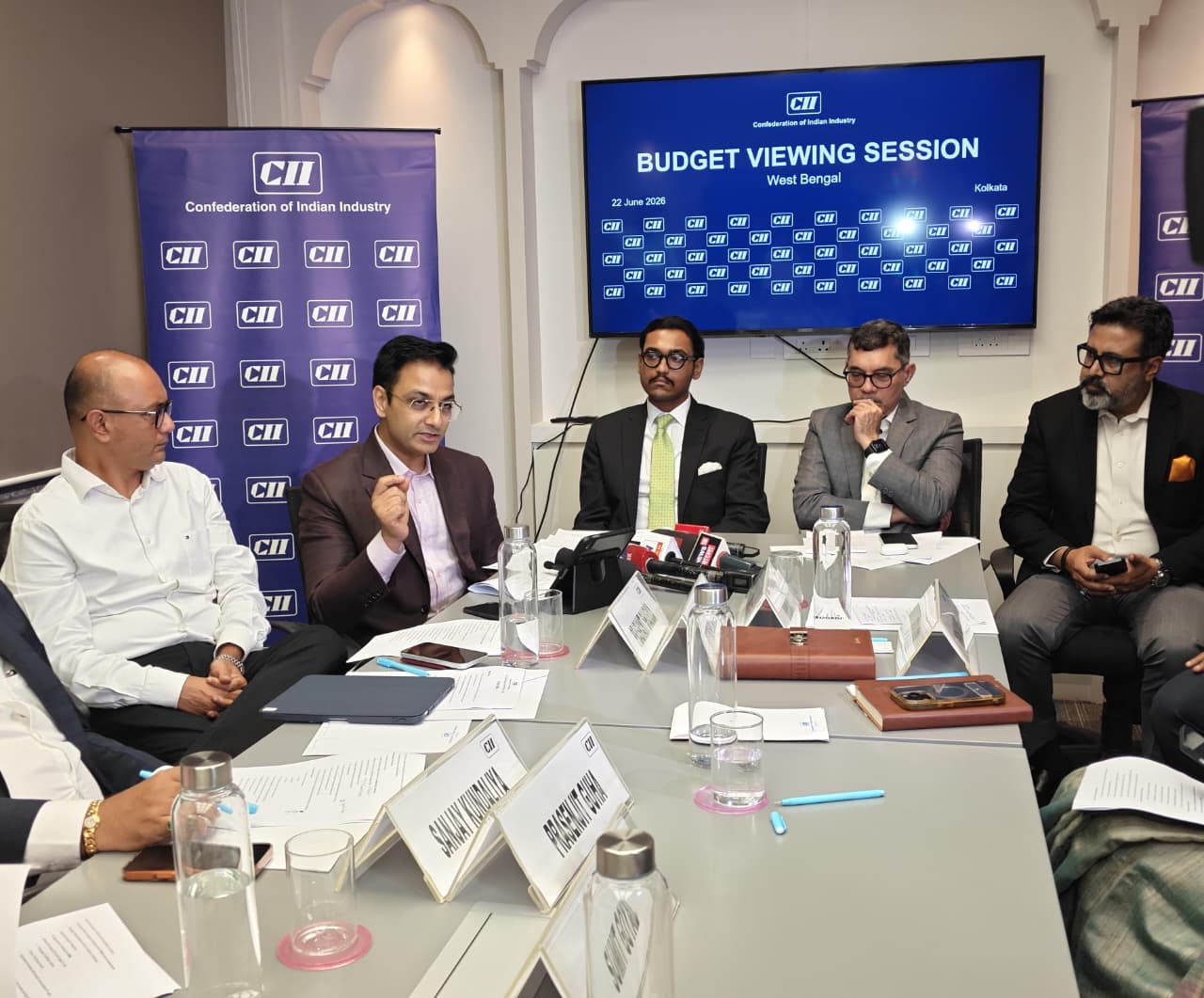
Welcoming the West Bengal State Budget 2026–27, Mr Mehul Mohanka, Chairman, CII Eastern Region and Managing Director & Group CEO, Tega Industries Ltd., said, “The West Bengal State Budget 2026–27 is a forward-looking roadmap for infrastructure-led growth and industrial competitiveness. The emphasis on metro rail expansion, including studies for new metro rail projects in Durgapur, Asansol, and Siliguri, is a welcome step, as improved urban mobility will support workforce movement, ease congestion, and strengthen productivity in key industrial centers.”
“We particularly welcome the proposed re-examination of the Urban Land Ceiling framework and the broader thrust towards a more enabling land acquisition policy. The availability of contiguous, litigation-free land is critical for attracting large-scale investments, developing industrial parks, logistics hubs, and modern manufacturing clusters,” he stated.
Mr. Mohanka added, “The announcements relating to the greenfield airport near Kalyani, expansion of regional air connectivity, the deep-sea port at Dadanpatrabar in Purba Medinipur, and the focus on deep-sea as well as mini and minor port facilities can significantly strengthen West Bengal’s logistics ecosystem, reduce turnaround time, and improve export competitiveness.”
Industry representatives noted that the state budget reflects a calibrated approach to fiscal consolidation and macroeconomic stability, with key indicators showing improvement. The revenue deficit is projected to decline to 1.02% of GSDP (FY27) from 2.07% in the previous year, while the fiscal deficit is estimated at 2.91% of GSDP, down from 3.40%, indicating prudent fiscal management.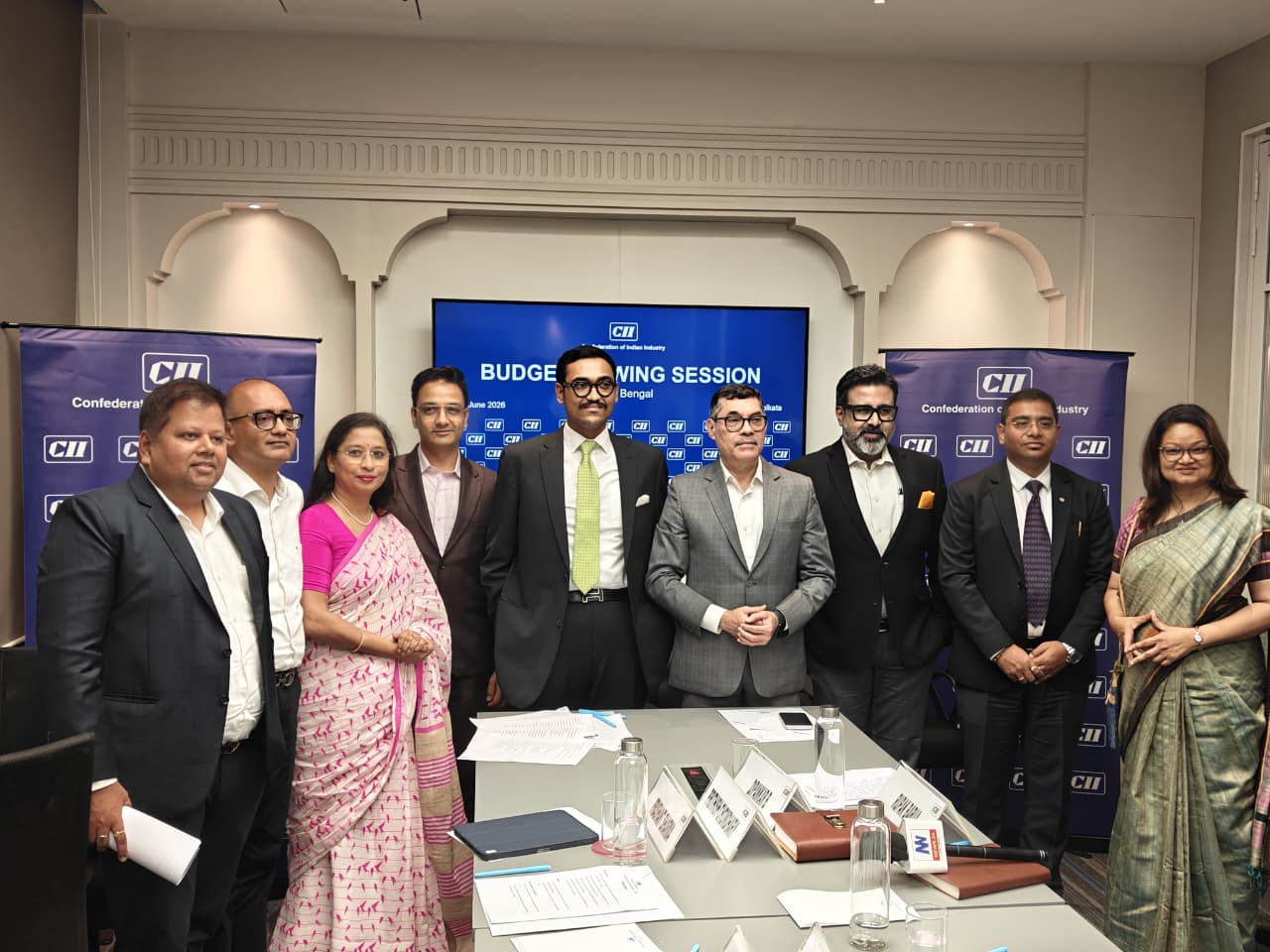
Mr Rudra Chatterjee, Chairman & Managing Director, Luxmi Tea, and Chairman, Obeetee, noted, “The budget’s emphasis on North Bengal is particularly encouraging. The proposed IIT and IIM, IT park, expansion of airport infrastructure, improved road connectivity, and greater focus on urban development can help unlock the region’s considerable economic potential.”
He further stated, “For the tea industry, the budget also provides an opportunity to build a more sustainable value chain by encouraging greater processing, packaging, branding, and value addition closer to the gardens. Stronger municipalities, better logistics, and modern infrastructure across North Bengal can create jobs, attract investment, and ensure that the region’s growth is broad-based, sustainable, and globally competitive.”
A major highlight of the state budget is its forward-looking approach to technology and innovation, particularly through the announcement of the ‘West Bengal Impact AI Mission,’ alongside initiatives to develop data centre infrastructure, support emerging technology sectors, and create a digitally enabled governance ecosystem, which the industry believes will accelerate the state’s transition to a knowledge-driven economy.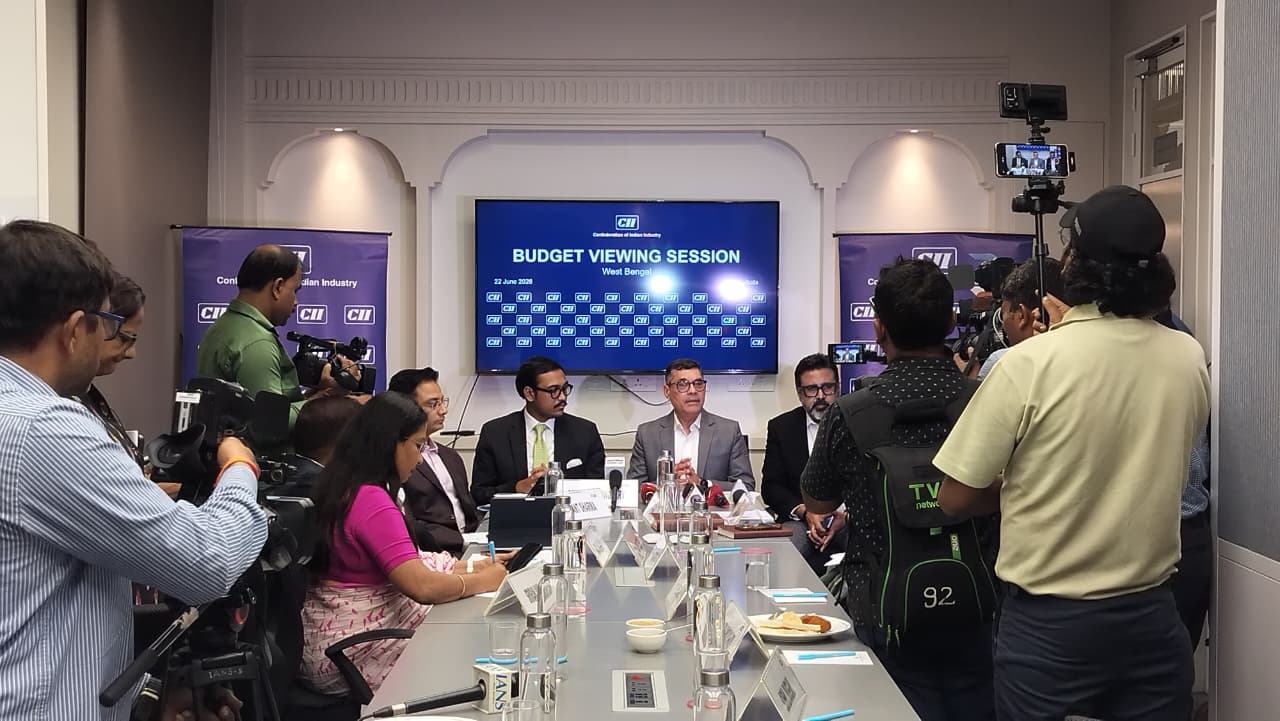
Mr Rupak Barua, Chairman, CII West Bengal State Council and Managing Director & CEO, Woodlands Multispeciality Hospital, said, “The West Bengal State Budget 2026–27 deserves appreciation for placing inclusive healthcare at the center of public policy. The proposed allocation of ₹3,100 crore for Ayushman Bharat signals a strong commitment to expanding affordable healthcare coverage across vulnerable groups, including senior citizens and frontline workers. The announcements relating to an AIIMS and a dedicated cancer hospital in North Bengal, along with super-speciality facilities in regions such as the Sundarbans, Purulia, and Darjeeling, reflect a much-needed effort to reduce regional healthcare disparities. Plans to add 650 MBBS seats across 13 government medical colleges will further strengthen the state’s healthcare workforce.”
Mr. Barua added, “The initiative to partner with private hospitals for subsidized beds, along with trauma care centres in key locations and motorboat ambulances for remote island communities, demonstrates a thoughtful and inclusive approach to ensuring that even the most vulnerable and hard-to-reach populations are not left behind.”
The industry also welcomed the strong push on infrastructure development and connectivity. Key projects such as the proposed deep-sea port at Dadanpatrabar in Purba Medinipur, construction of the Chingrighata–New Town elevated corridor, and development of new airports at Purulia, Malda, and Balurghat, along with a proposed greenfield airport near Kolkata, were seen as critical enablers of trade, logistics efficiency, and regional connectivity. The planned metro connectivity studies for Durgapur–Asansol and Siliguri–Jalpaiguri, and development of logistics hubs including Dankuni, further reinforce the state’s infrastructure expansion strategy.
Industry representatives also highlighted the State Budget’s focus on higher education and industrial growth, including proposals to set up an IIT and an IIM in North Bengal, the development of a Siliguri IT Park, and the establishment of a semiconductor manufacturing unit in Durgapur, which are expected to significantly enhance the State’s industrial ecosystem and technological capabilities. The proposed investment promotion framework with a ₹5,000 crore outlay and the forthcoming Startup Policy were viewed as strong signals of the Government’s commitment to fostering innovation, entrepreneurship, and large-scale investments.
The creation of a tea workers development board and targeted initiatives for regional development, particularly in North Bengal and Paschimanchal, were seen as important steps toward inclusive and balanced growth. The Budget’s emphasis on governance reforms and administrative decentralization was also appreciated, including the creation of new districts such as Bashirhat, Sundarban, Jangipur, and Arambag, along with reforms in land records, digital administration, and public service delivery systems.
“The West Bengal State Budget 2026–27 presents an encouraging roadmap for infrastructure-led industrial growth and sends a positive signal to the manufacturing sector. The proposed greenfield airport near Kalyani, deep-sea port at Dadanpatrabar in Purba Medinipur, expanded regional air connectivity, dedicated freight corridors, industrial corridors and manufacturing hubs will strengthen West Bengal’s position as a manufacturing and export hub while providing significant impetus to MSMEs,” said Mr Prithish Chowdhury, Vice Chairman, CII West Bengal State Council and Deputy Managing Director, Titagarh Rail Systems Ltd.
He added, “For manufacturing to flourish, efficient multimodal connectivity, reliable power supply, industrial land availability, and faster clearances are critical. The budget’s focus on infrastructure creation, solar and open-access power measures, and industry-linked development can help reduce logistics costs, improve supply chain efficiency, and attract investments across engineering, metals, textiles, chemicals and MSMEs. We welcome the intent to boost employment and unlock development spending and look forward to working with the government to ensure timely implementation and position West Bengal as a leading manufacturing destination in eastern India.”
Notably, the Confederation of Indian Industry (CII) organized a State Budget 2026-27 Viewing Session in Kolkata on Monday, bringing together leading industrialists and business leaders to discuss key announcements in the State Budget and their impact on the State’s growth and development.